How Quartz Is Priced
Quartz is sold and installed by the square foot. The final rate you pay is a combination of the slab itself, fabrication (cutting, edging, cut-outs), transport and installation. Because each design and batch differs, we always confirm the exact rate on the day, but understanding the building blocks helps you compare quotes fairly.
What Makes One Quartz More Expensive Than Another
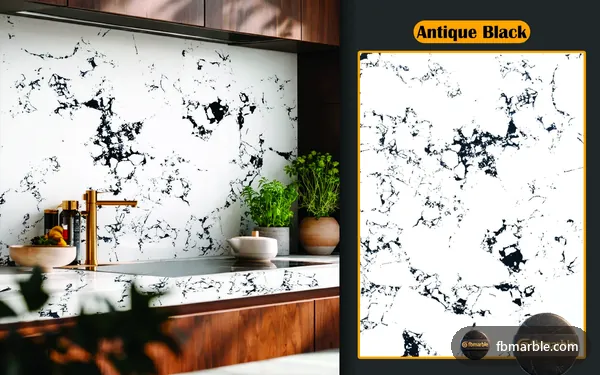
1. Design complexity. Plain whites and solid colours such as Ice White or Snow White are the most economical. Designs that imitate marble with long, flowing veins — Calacatta Gold, Calacatta Wave or Panda White Bookmatch — cost more because the manufacturing process is more involved.
2. Brand and origin. Imported premium quartz from established factories costs more than generic engineered stone. Higher-grade slabs have more natural quartz content (above 90%), better resin quality and more consistent colour.
3. Thickness. At FB Marble, 18 mm is our standard thickness for quartz. Thicker slabs or built-up (laminated) edges add material and labour.
4. Slab size and wastage. Jumbo slabs let us make long kitchen runs without joints, but if your kitchen layout wastes a large part of a slab, the cost per usable square foot rises.
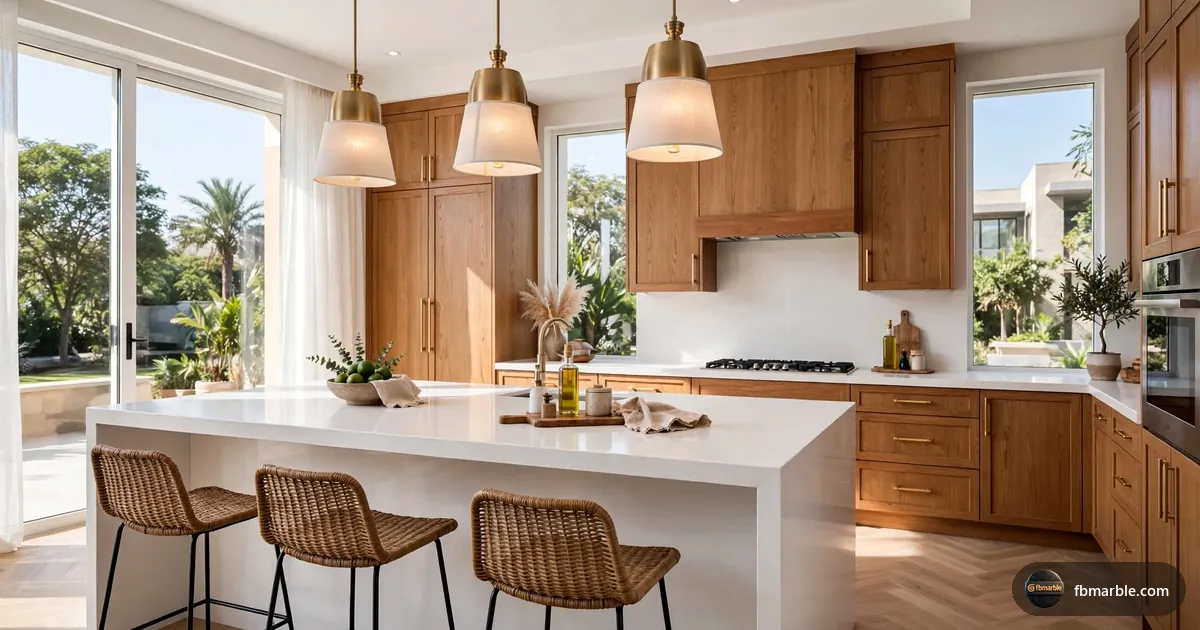
5. Edge profile. A simple eased or half-bullnose edge is included in most quotes. Ogee, mitered and waterfall edges take extra time and skill.
6. Cut-outs. Each sink, hob and tap hole is cut and polished separately. Undermount sinks need a fully polished cut-out, which costs more than a drop-in cut-out.
Hidden Costs to Ask About
When comparing quotes, check whether these are included: removal of old counters, cabinet levelling, backsplash, sink installation, transport to upper floors and site visits for measurement. A low headline rate can grow once these items are added. Our quotations list each item clearly so there are no surprises.
Is Quartz Worth the Money?
For a busy Pakistani kitchen, quartz offers real value:
- It is non-porous, so oil, haldi, chai and achaar do not soak in.
- It never needs sealing, which saves yearly maintenance.
- The colour is consistent from slab to slab, making large kitchens look uniform.
- It resists scratches and chips better than marble.
Its main limitation is heat. Very hot pots straight from the stove can damage the resin, so we recommend using trivets.
How to Get the Best Price
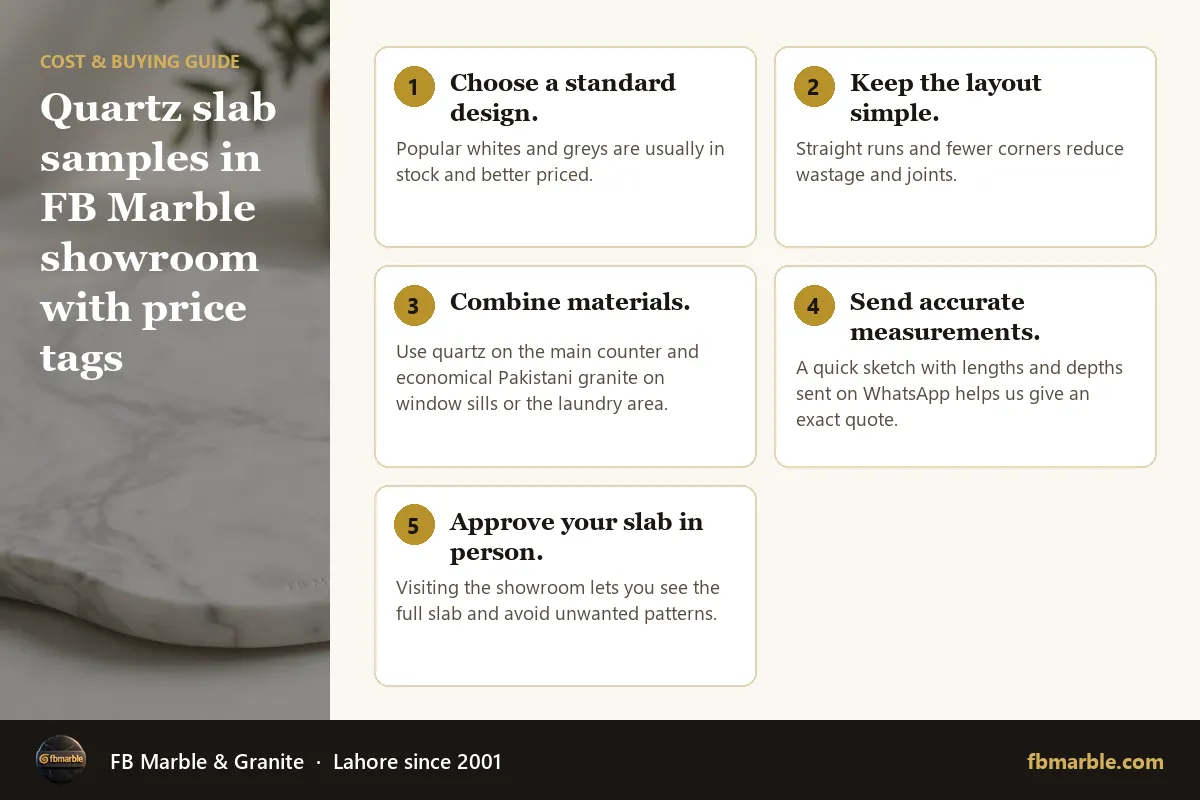
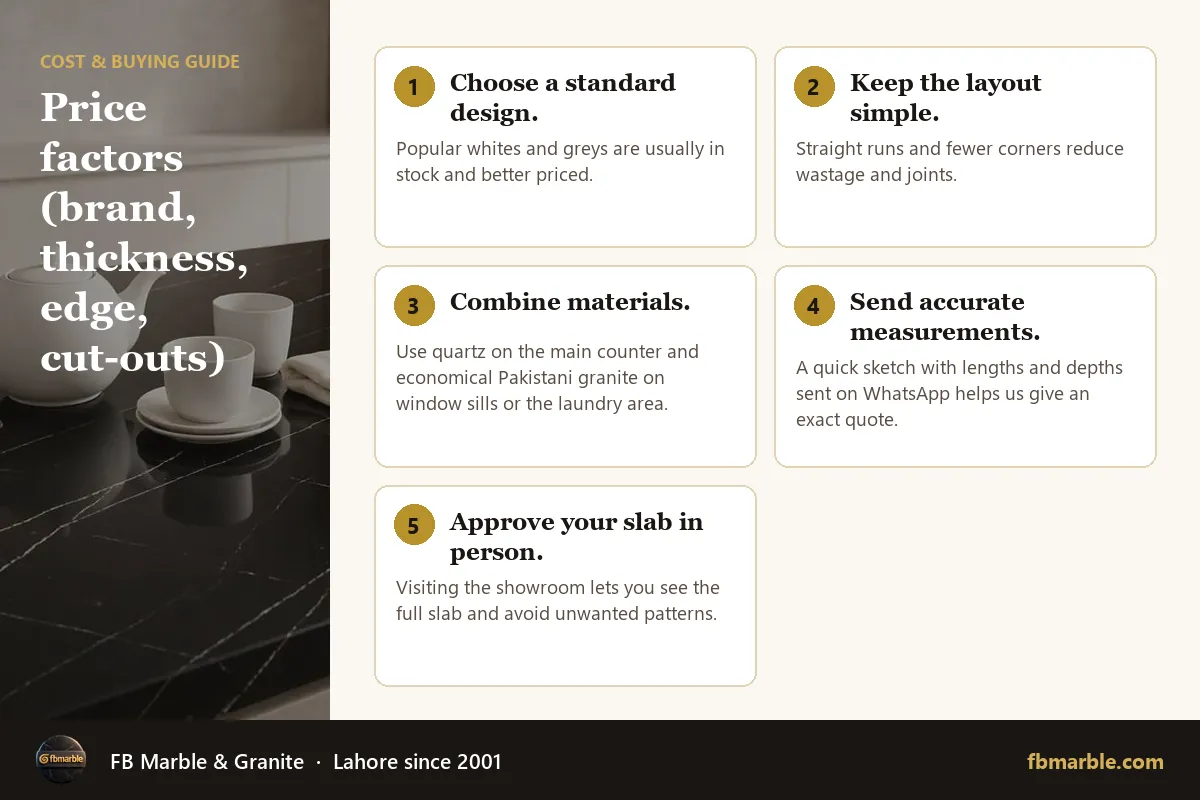
- Choose a standard design. Popular whites and greys are usually in stock and better priced.
- Keep the layout simple. Straight runs and fewer corners reduce wastage and joints.
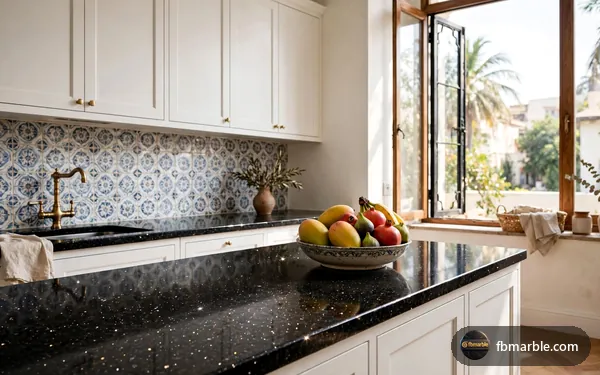
- Combine materials. Use quartz on the main counter and economical Pakistani granite on window sills or the laundry area.
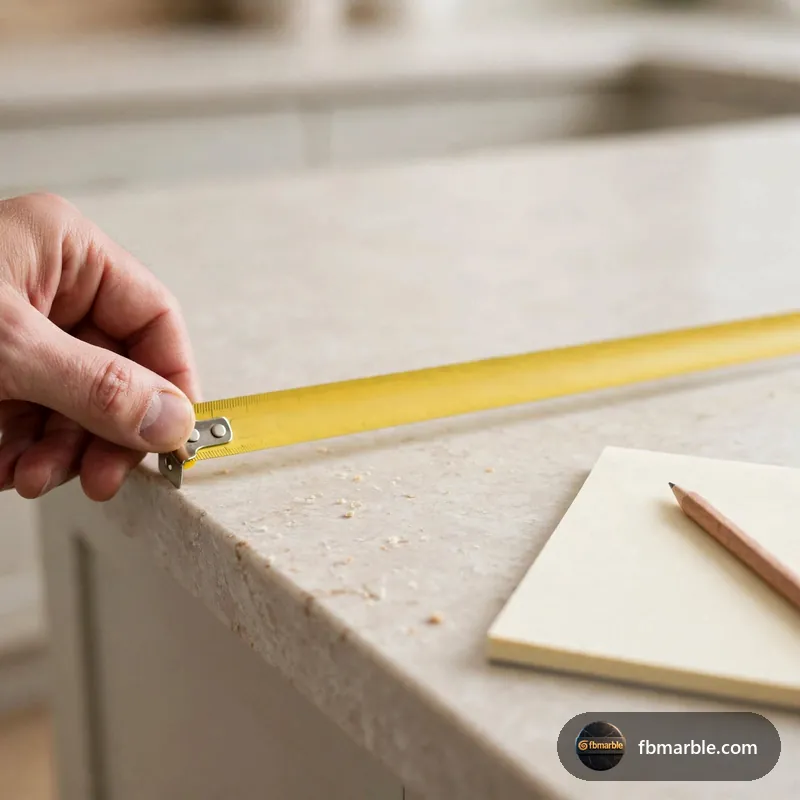
- Send accurate measurements. A quick sketch with lengths and depths sent on WhatsApp helps us give an exact quote.
- Approve your slab in person. Visiting the showroom lets you see the full slab and avoid unwanted patterns.
Quartz vs Granite on Cost
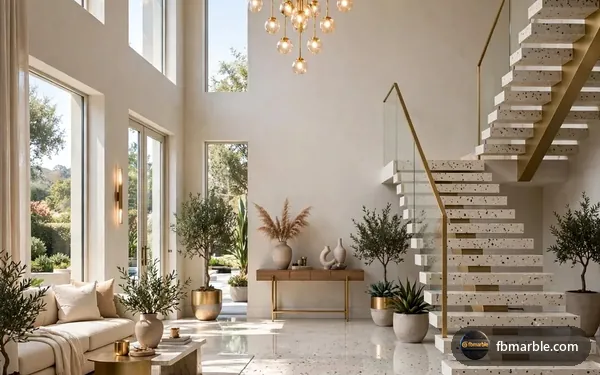
Pakistani granite starts at around Rs 250 per sq ft and imported granite from about Rs 700 in our current list, so granite can be the cheaper option for large areas. Quartz usually sits in the mid-to-premium range but saves on sealing and maintenance over the years. Many clients choose quartz for the kitchen and granite for stairs and outdoor areas.
Need Help Choosing?
Our team at FB Marble will help you compare samples, check full slabs and plan your project from measurement to installation. Call or WhatsApp +92 323 4148908, or visit fbmarble.com to explore our collections and request free samples.