Can Granite Stain?
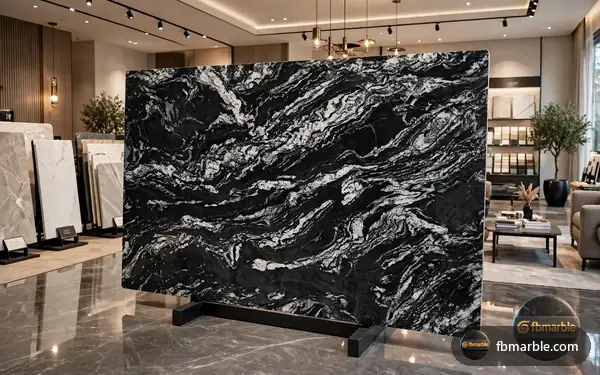
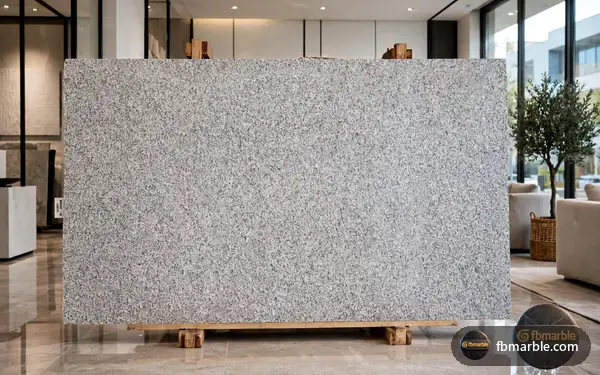
Yes, it can. Granite has microscopic pores between its crystals. Dark, dense granites such as Galaxy Black absorb very little; light granites such as Kashmir White, Snow White and Deer White absorb more. When the sealer wears away, stains can form.
How Can You Tell If Your Seal Is Still Effective?
The water-drop test: place a few drops of water on the counter and wait 10–15 minutes.


- Water beads, stone stays the same colour: the seal is working.
- Stone darkens under the water: the seal is weak — reseal soon.
Test high-use areas such as around the sink and stove.
How Do You Reseal a Granite Countertop?
- Clean the counter thoroughly and let it dry for 24 hours.
- Apply a penetrating granite sealer evenly.
- Let it soak in for the time on the label.
- Wipe off all excess.
- Let it cure for 24–48 hours.
What Can Stain Granite?
- Cooking oil and ghee — dark patches
- Haldi (turmeric) — yellow marks
- Chai, coffee and juices — brown or coloured marks
- Red chilli oil and tomato sauces
- Rust from metal tins and racks
- Ink and markers
- Hard water — white mineral deposits
How Can You Treat Granite Stains?
Oil-based stains: baking soda and water poultice, or acetone on dark granite.
Organic stains (tea, coffee, haldi): baking soda and hydrogen peroxide poultice.
Rust: stone-safe rust remover.
Ink: isopropyl alcohol on dark granite; hydrogen peroxide on light.
Hard water: stone-safe hard-water remover or gentle buffing.
Apply poultices about 5 mm thick, cover with plastic wrap and leave for 24–48 hours. Repeat if needed, then reseal.
How to Keep Granite in Good Shape
- Seal light granites about once a year
- Wipe spills promptly
- Use trays under oil and spice containers
- Clean with pH-neutral products
- Avoid vinegar, lemon and bleach
Need Help Choosing?
Our team at FB Marble will help you compare samples, check full slabs and plan your project from measurement to installation. Call or WhatsApp +92 323 4148908, or visit fbmarble.com to explore our collections and request free samples.