Pakistani vs Imported Marble: Quality, Looks and Price Compared
Pakistan produces some excellent marble at a fraction of imported prices. Imported stones offer colours and consistency that local quarries do not. Here is an honest comparison.
A common question in the showroom is whether imported marble is "better" than Pakistani marble. The honest answer: it is different, not automatically better. Pakistan has rich marble deposits, especially in Balochistan and Khyber Pakhtunkhwa, and some local stones compete with anything imported. Others, especially certain beige and dark tones, are only available from abroad. This guide compares the two and then walks you step by step through choosing the right one for each part of your home.
What you need before deciding
- A list of rooms and their approximate square footage.
- A rough budget per sq ft, or a total figure for stone.
- An idea of the colours you like: white, beige, grey, black, red or brown.
- A sense of which rooms guests see most, and which are private family spaces.
Pakistani marble: strengths
- Price: no import duty or sea freight. Many local marbles cost Rs 250 – 1,000 per sq ft.
- Availability: easier to get extra pieces later, though lots still vary.
- Proven in our climate: widely used in Pakistani homes for generations.
Popular Pakistani marbles in our range include Ziarat White, Botticino, Sunny White, Badal, Silky Black, Black and Gold and Leopard White.
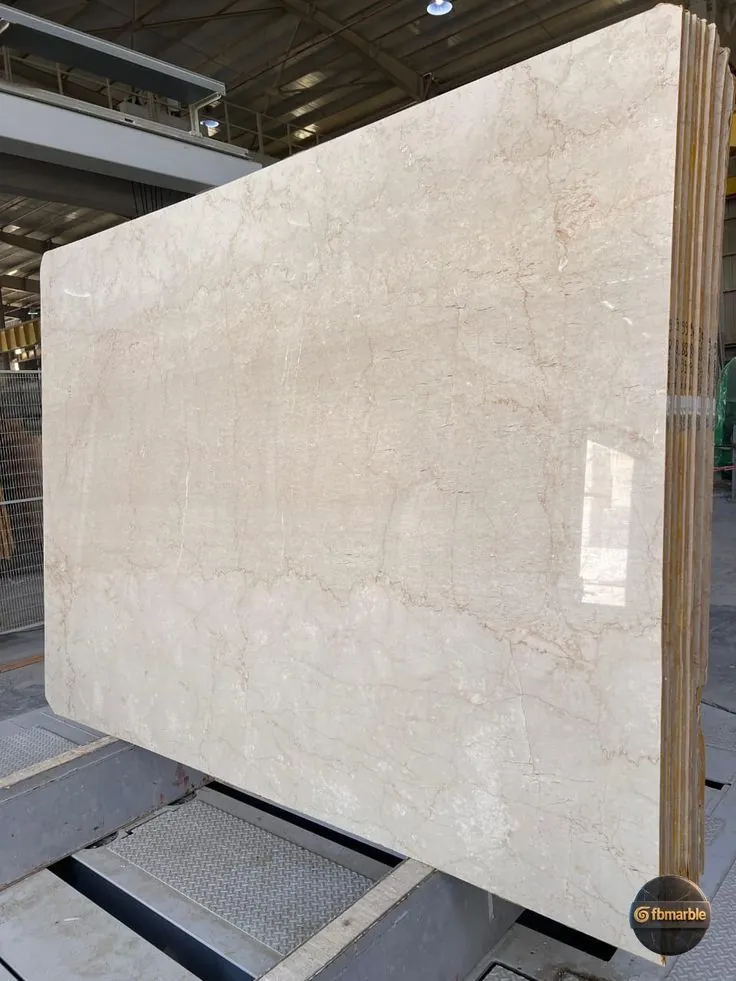
Local stone has been laid in homes across Lahore, Islamabad and Karachi for a long time, through hot summers, monsoon humidity and hard-water mopping. That long track record makes it a safe, familiar choice for most of a house.
Imported marble: strengths
- Colours you cannot find locally: the soft ivory of Spanish Cream Marfil, the deep grey of Spanish Grey Emperador, Italian Rosso Verona red, or Turkish browns like Chocolate Brown.
- Consistency: selected export-grade slabs often have more uniform colour.
- Thin formats: some imported marbles come in 10mm for walls.
Imported marble earns its place when you want a specific look that no local quarry produces, or when a large, open floor needs very even colour from end to end.
Step 1: Compare prices honestly
The biggest difference between the two is cost. Imported stone carries sea freight, import duty and exchange-rate costs, which push its rate well above most local marbles.
| Marble | Origin | Estimated rate (Rs / sq ft) |
|---|---|---|
| Badal | Pakistan | 250 – 300 |
| Sunny White | Pakistan | 650 – 750 |
| Botticino | Pakistan | 850 – 1,000 |
| Ziarat White | Pakistan | 1,500 – 3,500 |
| Parlino Beige | Turkey | 1,600 – 1,800 |
| Desert Beige | Iran | 1,600 – 1,800 |
| Grey Emperador | Spain | 2,000 – 2,200 |
| Cream Marfil | Spain | 2,400 – 2,600 |
| Rosso Verona | Italy | 2,500 – 2,700 |
Notice that premium Ziarat White overlaps with the imported range at the top end. Price follows the grade and look of the slab, not just the country it comes from.
Step 2: Check hardness and quality, not the label
Is imported marble harder or stronger? Not as a rule. Hardness and porosity depend on the specific stone, not the country. Some Pakistani marbles are dense and polish beautifully; some imported ones are softer. What matters more is the grade of the slab, how well it is laid and polished, and how it is cared for.
Whatever the origin, all marble etches with acids. Lemon, vinegar, tamarind and tezab will leave dull marks on an expensive Spanish floor just as they will on a local one. Marble from any country also benefits from sealing in kitchens and bathrooms, where haldi, ghee and chai spills are part of daily life.
Step 3: Match the stone to the room
Think about how each room is used and who sees it.
| Room | Sensible choice | Why |
|---|---|---|
| Drawing room, entrance | Imported or premium Pakistani | Seen by guests; worth the spend |
| Lounge | Either, depending on budget | Large area, so cost adds up quickly |
| Bedrooms, corridors | Quality Pakistani marble | Private spaces; good value per sq ft |
| Stairs | Pakistani marble or granite | Heavy wear; easy to source extra pieces |
| Feature wall | Imported, or bold local stones like Black and Gold | Small area, big visual impact |
Step 4: Spend smart by mixing both
Many clients mix both: an imported stone in the one room where it will be seen most, such as the drawing room or entrance, and a quality Pakistani marble in bedrooms, corridors and stairs. This gives a premium look where it counts while keeping the total budget sensible. Our flooring guide suggests stones room by room.
When you mix, choose stones whose tones work together. A warm imported beige in the drawing room sits comfortably next to warm Botticino in the corridor; a cool grey import pairs better with a white or grey local stone. Use a threshold strip or a border at the doorway so the change of stone looks planned.
Step 5: Plan for future repairs
Local stone is easier to top up later, though lots still vary. With imported marble, order the full quantity plus spares at the start. Keep a few spare pieces stored flat and dry in case a tile cracks years later. This applies to Pakistani marble too, because a later lot may not match the first exactly. Our square-feet guide explains how much extra to order.
Step 6: See the slabs in person
Photos on a phone screen cannot show the true colour, veining or polish of a slab. Look at the actual stone in daylight, and if possible see more than one slab from the same lot. This is especially important for imported marble, where you are paying for a particular look.
Step 7: Compare quotes like for like
When you compare a local and an imported option, make sure the quotes cover the same things. Ask each supplier:
- Is the rate for the stone alone, or does it include fixing, polishing and edge work?
- What thickness is the stone? A thin wall format and a standard floor thickness are not the same product.
- Is the price for a specific grade, and can you see the slabs from that grade?
- Are skirting, thresholds and borders priced separately?
Once the quotes match, multiply each rate by your total square footage. The gap between a local and an imported stone across a whole floor is often much larger than the per sq ft difference suggests, which is why many families keep imported stone to one or two rooms.
Common mistakes
- Assuming imported means stronger. Hardness depends on the specific stone and grade.
- Using imported marble everywhere when local stone would look just as good in private rooms.
- Choosing from photos alone without seeing the real slab.
- Ordering too little imported stone and finding a later lot does not match.
- Cleaning any marble with acids such as lemon, vinegar or tezab.
- Mixing clashing tones, such as a cool grey next to a warm beige, without a border to separate them.
Explore the full Pakistani marble collection, or see all marble types including imports.
Stones in this guide
 Ziarat White MarbleFrom Rs 1,500 / sq ft
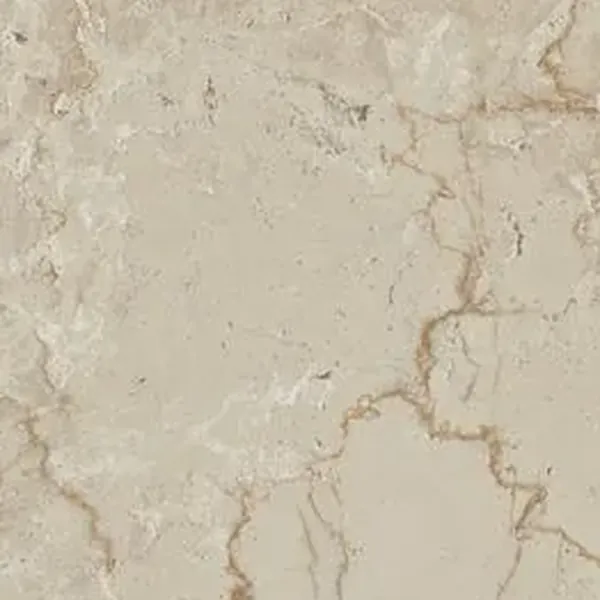 Botticino MarbleFrom Rs 850 / sq ft
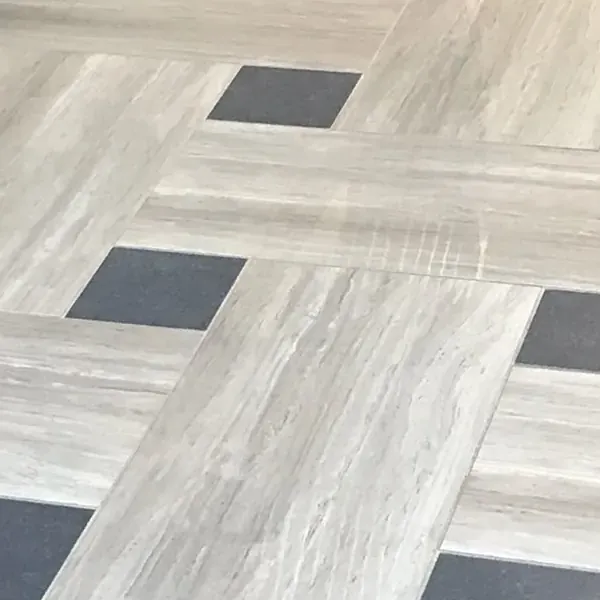 Sunny White MarbleFrom Rs 650 / sq ft
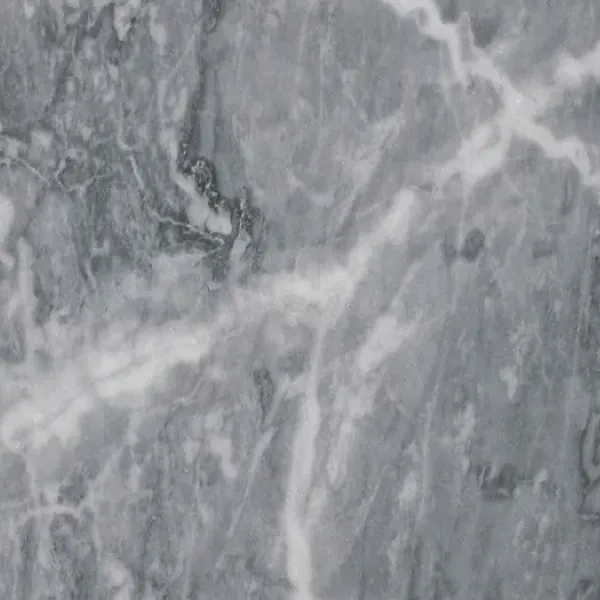 Badal MarbleFrom Rs 250 / sq ft
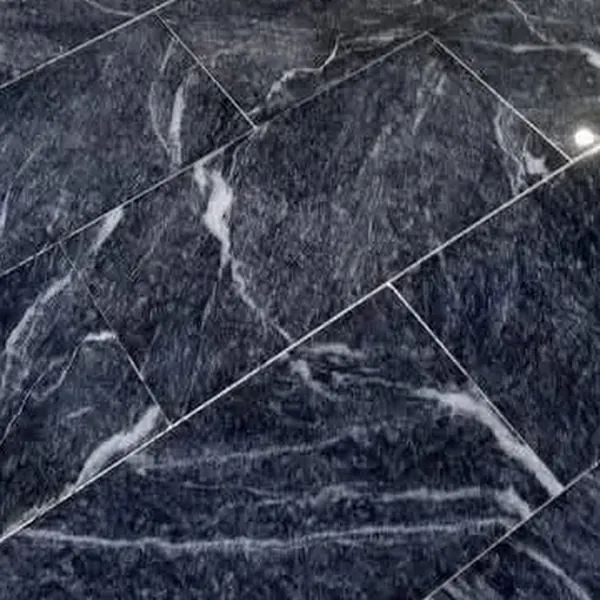 Silky Black MarbleFrom Rs 250 / sq ft
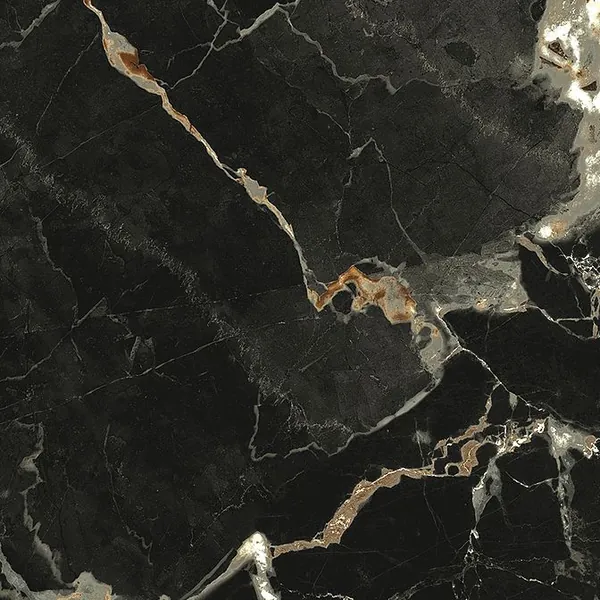 Black and Gold MarbleFrom Rs 450 / sq ft
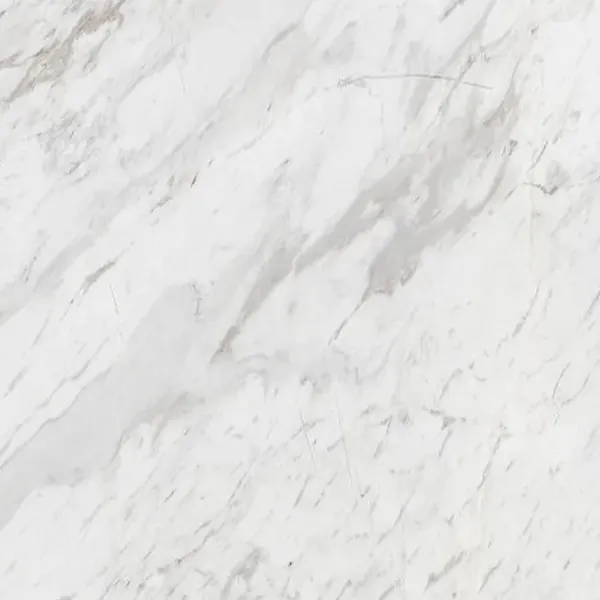 Leopard White MarbleFrom Rs 1,400 / sq ft
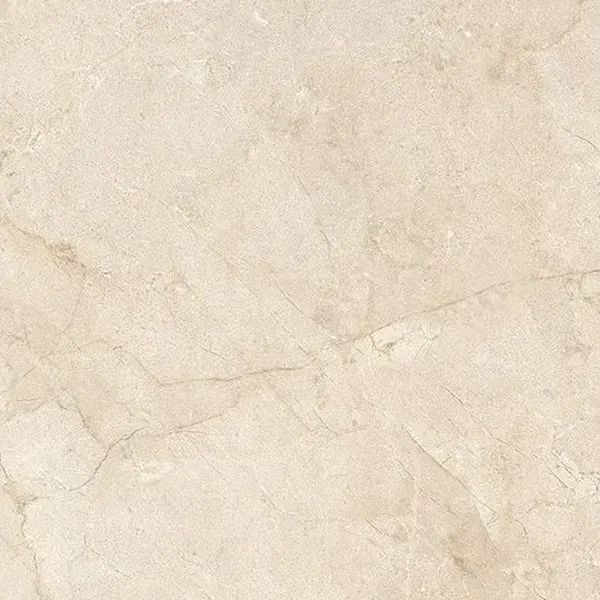 Cream Marfil MarbleFrom Rs 2,400 / sq ft
Estimated rates per square foot for the slab only, as listed on each stone's page. Rates move with stock and import costs, so confirm today's price on WhatsApp.
Frequently asked questions
Is Pakistani marble good quality?
Yes. Stones like Ziarat White and Botticino are well regarded and widely used. Quality depends on the specific stone and slab grade, not just the country.
Why is imported marble more expensive?
It carries sea freight, import duty and exchange-rate costs, and some colours like Spanish Cream Marfil are only available from a few quarries.
Which is the best Pakistani white marble?
Ziarat White from Balochistan is the best-known premium white. Sunny White and Tavera are more affordable white options.
Can I mix Pakistani and imported marble in one house?
Yes. Many homes use an imported stone in a showpiece room and Pakistani marble elsewhere to balance looks and budget.
Is imported marble harder than Pakistani marble?
Not as a rule. Hardness and porosity depend on the specific stone and slab grade, not the country. Some Pakistani marbles are dense and polish beautifully.
Does imported marble need different care?
No. All marble etches with acids and benefits from sealing in kitchens and bathrooms. Use a pH-neutral cleaner whatever the origin. See our sealing guide.
Want to see these stones in person?
Visit our showroom at Bedian Road, DHA Phase 6, Lahore, ask for free samples, or send us your measurements for a quote.