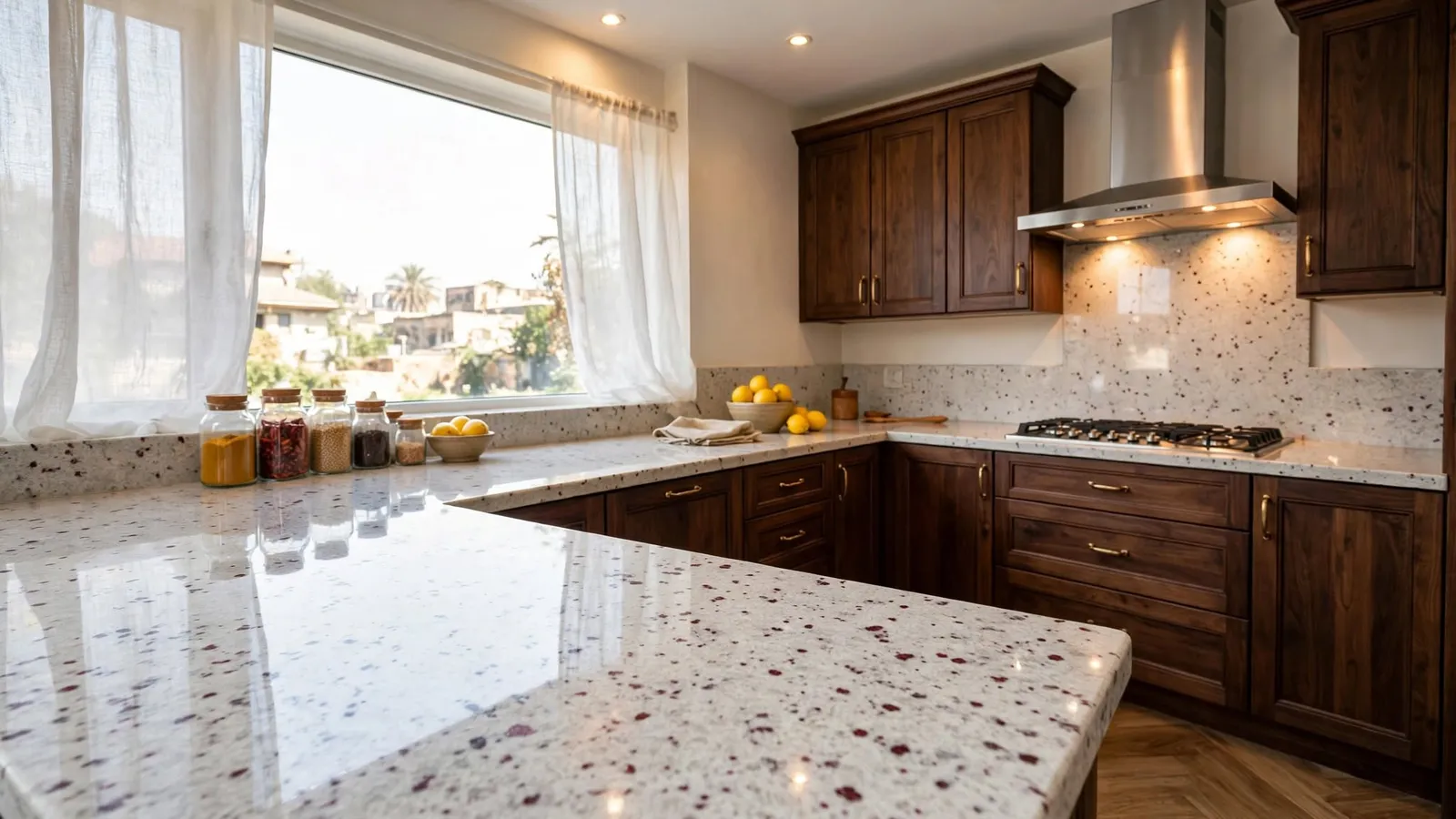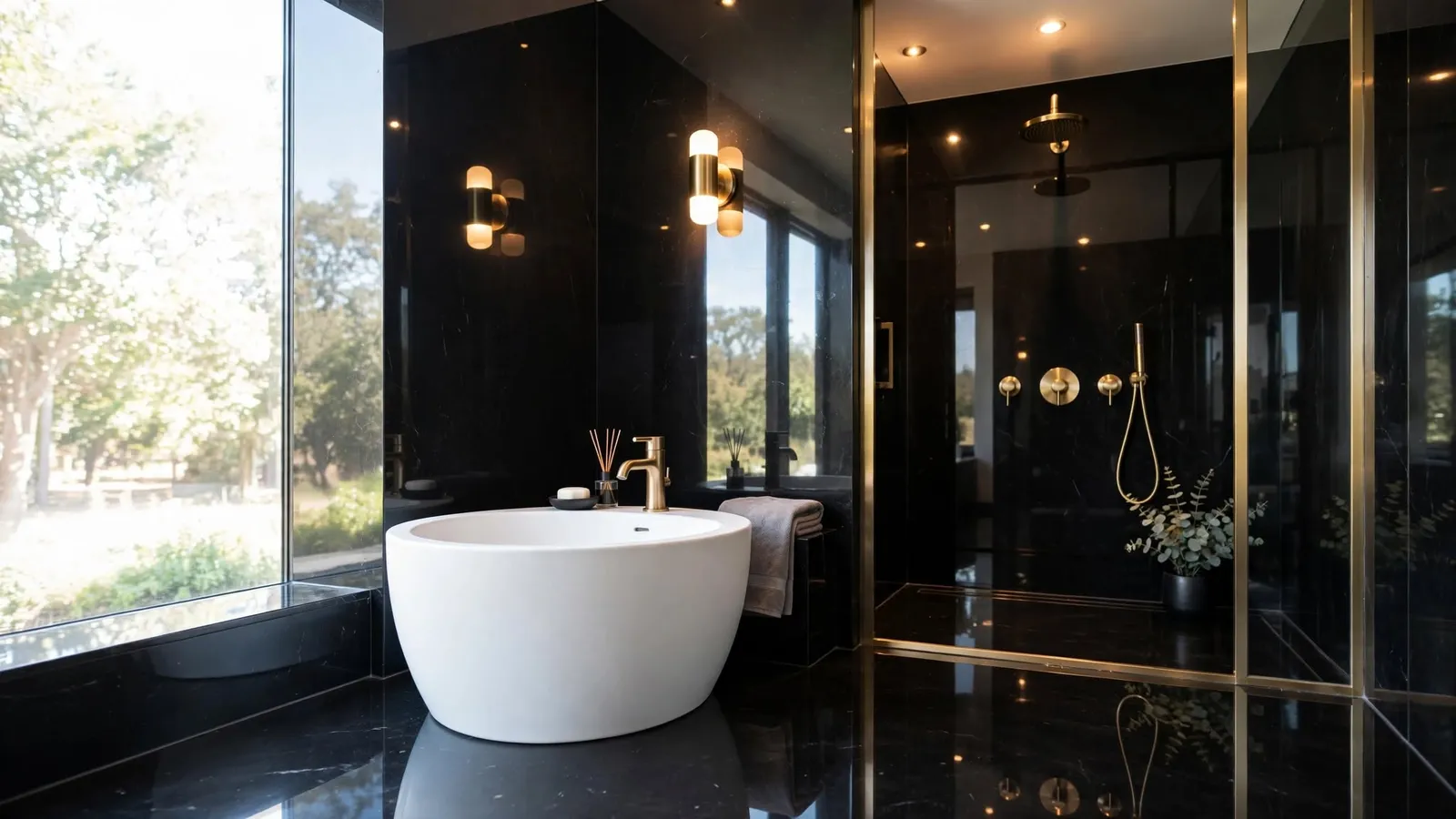
How to Seal Marble and Granite: The Water Test, Sealing Steps and Daily Care
Sealing is the single best thing you can do to keep natural stone looking new. It is quick, inexpensive, and you can check whether it is needed in one minute.
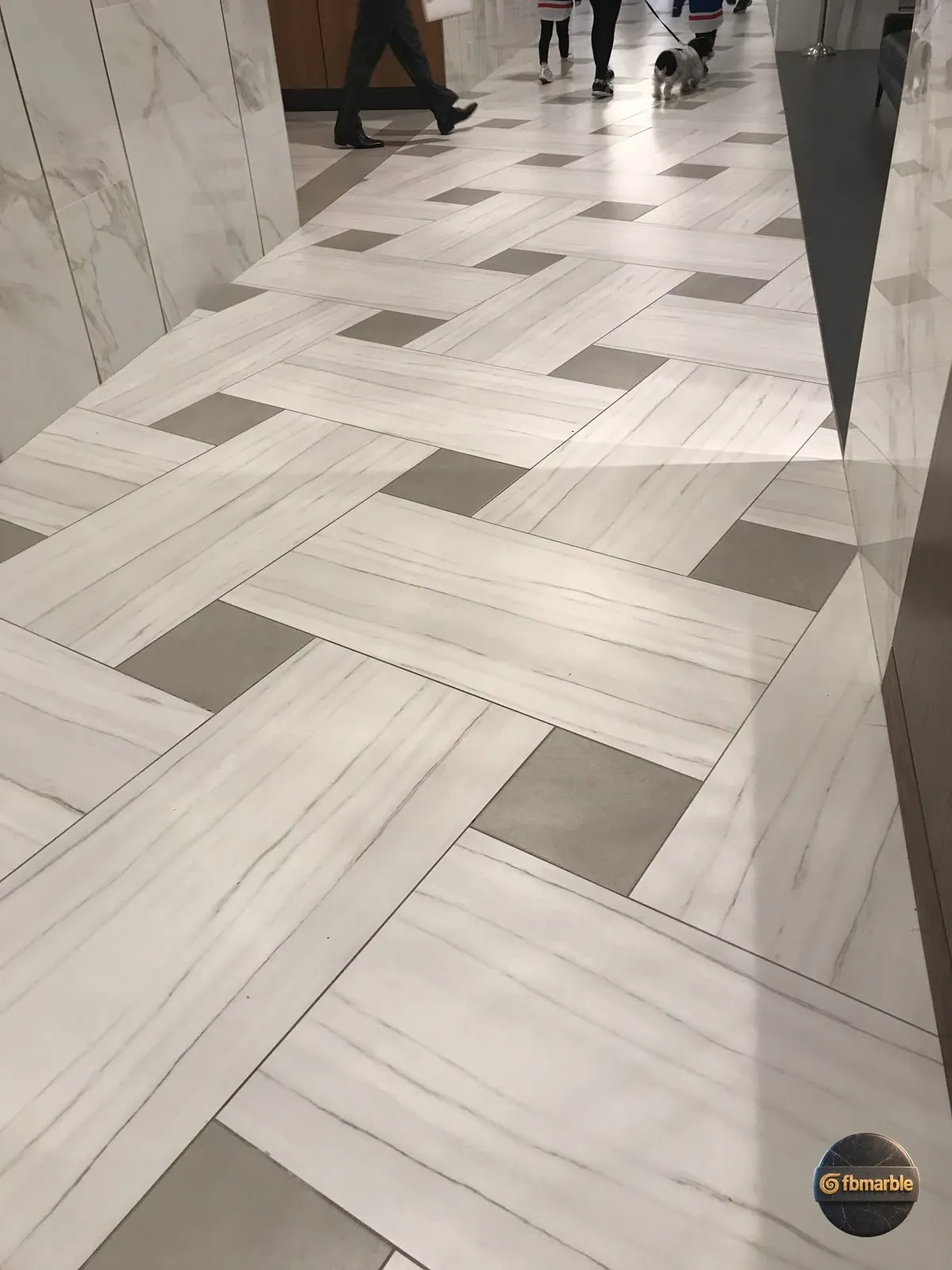
Natural stone has tiny pores. Oil, haldi, tea and coloured liquids can soak into those pores and leave a stain. A penetrating sealer fills the pores below the surface so spills stay on top long enough to be wiped away. It does not make stone stain-proof forever, and it does not stop acid etching on marble, but it makes a big difference. This guide shows you which stones need sealing, how to test them in one minute, and how to apply sealer step by step.
What you need
- A pH-neutral stone cleaner and warm water.
- Several clean, soft, lint-free cloths.
- A good penetrating (impregnating) stone sealer made for natural stone.
- A soft applicator pad or small paint brush for edges and corners.
- Rubber gloves, and a window or fan for ventilation.
- A tablespoon and a glass of water for the water test.
Step 1: Check whether your stone needs sealing
| Stone | Sealing |
|---|---|
| Light marble (e.g. Ziarat White, Sunny White) | Yes, recommended |
| Travertine and onyx | Yes, recommended |
| Light granite (e.g. Kashmir White) | Yes, recommended |
| Dark dense granite (e.g. Galaxy Black) | Often little benefit; do the water test |
| Quartz and porcelain | Not needed |
Light stones need it most, because a stain shows clearly on white and cream. A drop of ghee or a splash of haldi on Ziarat White is far more visible than the same spill on black granite.
Step 2: Do the one-minute water test
- Pour a small puddle of water (about a tablespoon) on the stone in a busy area, such as next to the sink.
- Wait a few minutes.
- Wipe it away and look at the stone.
If the water still beads and the stone has not darkened, the seal is fine. If it has soaked in and left a dark patch that slowly fades, it is time to seal.
Test in more than one place. The area beside the sink and the stove is used far more than the far end of a counter, so its seal wears out first.
Step 3: Clean the surface
Clean the surface with a pH-neutral cleaner and let it dry completely, ideally overnight.
Sealer locks in whatever is already on the stone, so remove grease, dust and old residue first. In a kitchen, give the area around the hob extra attention, because cooking oil builds up as a thin film. If there is a stain, deal with it before sealing (see the stain and etch section below).
Drying matters. Water in the pores stops the sealer soaking in. In the humid monsoon months, allow longer, and keep a fan running in the room.
Step 4: Apply the sealer
Apply a good penetrating (impregnating) stone sealer evenly with a soft cloth or applicator, following the product's instructions.
Work in small sections, about one counter run or a few floor tiles at a time, so you can manage the timing. Use a brush for edges, corners and the joints around the sink. Avoid sealing in direct summer sun or on hot stone, because the sealer can dry on the surface before it has time to soak in.
Step 5: Wait and wipe off the excess
- Wait the time stated on the product so it can soak in.
- Wipe off all excess from the surface before it dries, so no hazy film is left.
This is the step most often rushed. Sealer that dries on top leaves a sticky, cloudy haze that attracts dust. Wipe with a clean, dry cloth, then go over it again with a second cloth.
Step 6: Let it cure
Let it cure before heavy use or wet cleaning, again as the product directs.
Plan the job for a time when the kitchen or bathroom can be left alone, such as after dinner, so it has the night to cure.
Step 7: Adjust for floors, walls and outdoor stone
The same steps apply everywhere, but each area has its own points to watch.
- Floors: sweep and mop first, then seal from the far corner towards the door so you do not have to walk on wet sealer. Keep children and pets out of the room until it has cured.
- Bathrooms: stop using the shower until the sealer has cured, and pay extra attention to the lower part of shower walls and the area around the drain, where water sits longest.
- Walls: work from the bottom up so drips run onto stone that has not been sealed yet, then wipe them off as you go.
- Outdoor travertine and light stone: wash off dust and let the stone dry fully, then seal on a cool, dry day, not in the heat of a summer afternoon.
How often to reseal
How often depends on the stone, the sealer and how much the surface is used. Kitchen counters and bathroom vanities usually need it more often than floors in a bedroom. The water test tells you when.
| Surface | Use | Check with the water test |
|---|---|---|
| Kitchen counter | Heavy: oil, spices, chai, daily wiping | Most often |
| Bathroom vanity and shower | Heavy: water, soap, cosmetics | Often |
| Lounge and corridor floors | Medium: foot traffic and mopping | From time to time |
| Bedroom floor, feature wall | Light | Occasionally |
Daily cleaning do's and don'ts
- Do use warm water with a mild pH-neutral cleaner and a soft cloth.
- Do wipe oil, haldi, tea and juice promptly.
- Do use coasters, trays and cutting boards.
- Don't use vinegar, lemon, tezab or acidic bathroom cleaners on marble, travertine or onyx. They etch the surface and leave dull marks that sealer cannot prevent.
- Don't use bleach or abrasive scouring pads regularly.
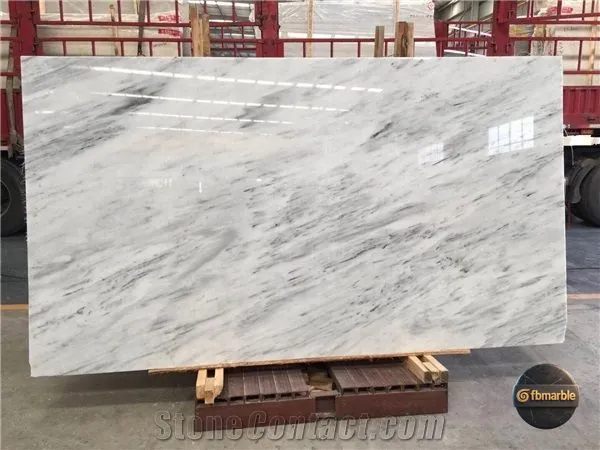
Granite generally does not etch, but acids still weaken the sealer over time, so the same pH-neutral routine helps granite stay protected for longer. Hard-water marks are another reason to dry counters after wiping, instead of reaching for an acidic descaler.
Stain or etch? Know the difference
A stain is a darker mark where something soaked in, such as oil or haldi. An etch is a dull, lighter spot on polished marble caused by acid eating the surface. Stains can often be drawn out with a stone poultice. Etches need re-polishing. If you are unsure, send us a photo on WhatsApp and we will advise.
Common mistakes
- Sealing dirty or damp stone, which traps grime and stops the sealer soaking in.
- Leaving excess sealer to dry on the surface, which leaves a sticky haze.
- Sealing in direct sun or on hot stone, where it dries too fast.
- Expecting sealer to stop etching. It helps against stains, not acids.
- Sealing quartz or porcelain, which do not need it.
- Using a coating instead of a penetrating sealer on natural stone, which can peel and look patchy.
- Never retesting. Seals wear, so repeat the water test from time to time.
For stone-by-stone advice, see white granite care, bathroom stone tips or our general stone FAQ.
Stones in this guide
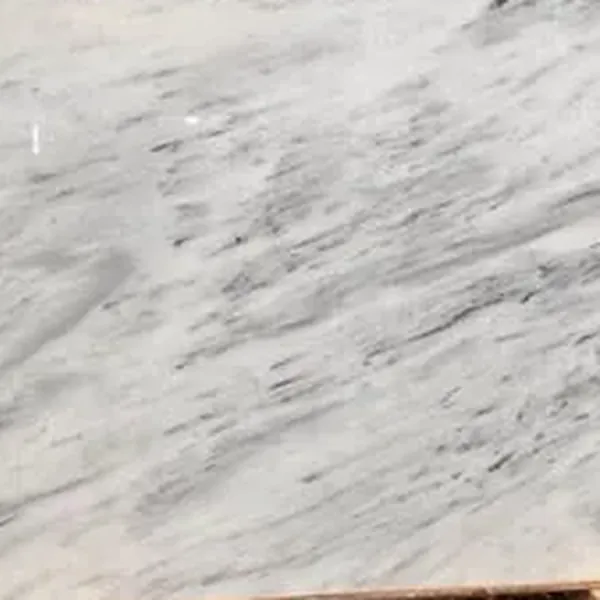 Ziarat White MarbleFrom Rs 1,500 / sq ft
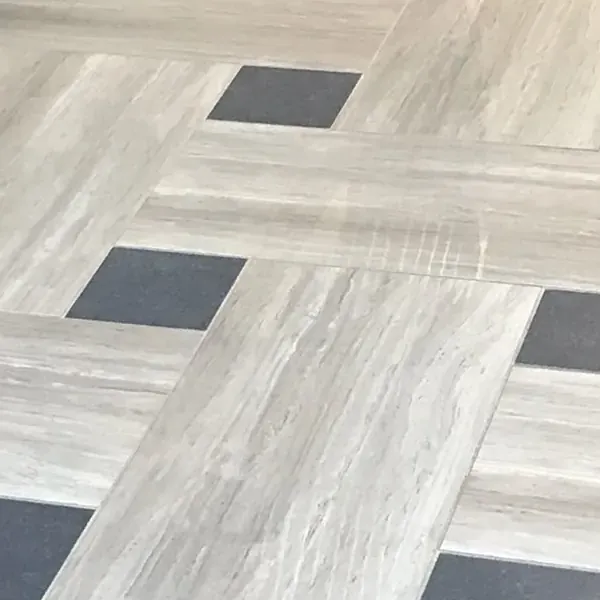 Sunny White MarbleFrom Rs 650 / sq ft
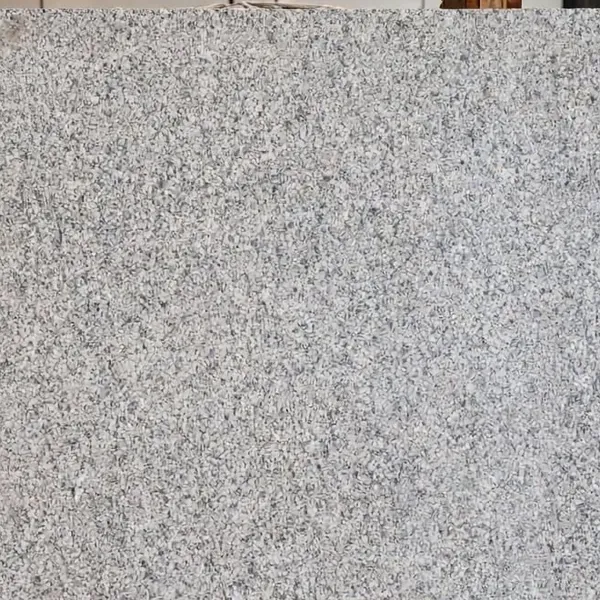 Kashmir White GraniteFrom Rs 750 / sq ft
 Galaxy Black GraniteFrom Rs 1,600 / sq ft
Estimated rates per square foot for the slab only, as listed on each stone's page. Rates move with stock and import costs, so confirm today's price on WhatsApp.
Frequently asked questions
How do I know if my granite needs sealing?
Do the water test: leave a small puddle of water for a few minutes. If the stone darkens or absorbs it, it needs sealing.
Does sealing stop marble from etching?
No. Sealer helps against stains, but acids like lemon and vinegar still etch marble. Wipe acidic spills immediately and use pH-neutral cleaners.
Does quartz need sealing?
No. Quartz is non-porous and does not need sealing. Porcelain also does not need it.
What should I clean marble with?
Warm water with a mild pH-neutral stone cleaner and a soft cloth. Avoid vinegar, lemon, tezab, bleach and abrasive pads.
How often should I seal my kitchen counter?
It depends on the stone, the sealer and how much the counter is used. Kitchen counters usually need it more often than floors. Do the water test near the sink and stove, and reseal when water soaks in.
Why is there a hazy film after sealing?
Excess sealer was left to dry on the surface. Wipe off all excess before it dries, as the product directs, so only the sealer inside the pores remains.
Want to see these stones in person?
Visit our showroom at Bedian Road, DHA Phase 6, Lahore, ask for free samples, or send us your measurements for a quote.