What Is a Quarry?
A quarry is an open-pit mine where stone is extracted from the earth. Unlike underground mines, quarries work on exposed rock faces, removing large blocks layer by layer.
How Is Granite Quarried?
- Survey and testing: geologists assess the deposit for colour, consistency and cracks.
- Clearing: soil and weathered rock are removed to expose solid granite.
- Cutting: diamond wire saws or drilled lines with controlled splitting separate large blocks from the rock face.
- Lifting: cranes and loaders move blocks — often 15–25 tonnes — onto trucks.
- Grading: blocks are checked and graded before processing.
Where Is Granite Quarried?
Granite is quarried worldwide. In Pakistan, granite occurs in areas such as Nagarparkar in Sindh and the northern mountain regions. FB Marble also imports granite from India, Brazil, Norway, Finland and Ukraine to offer colours not found locally.
What Happens After Quarrying?
Blocks are cut into slabs at processing plants using gang saws or multi-wire saws, treated with resin if needed, and polished or given another finish. Slabs then travel to stone yards, where customers choose them for their projects.
What Can Granite Be Used For?
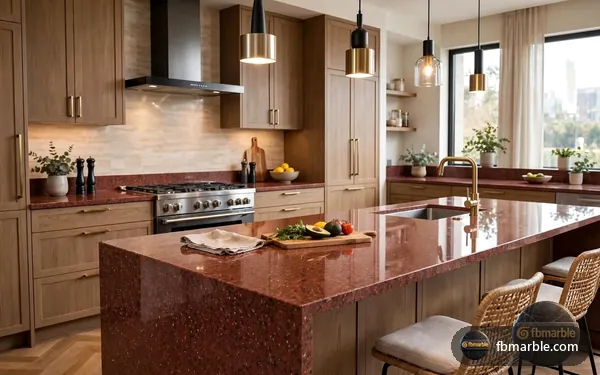
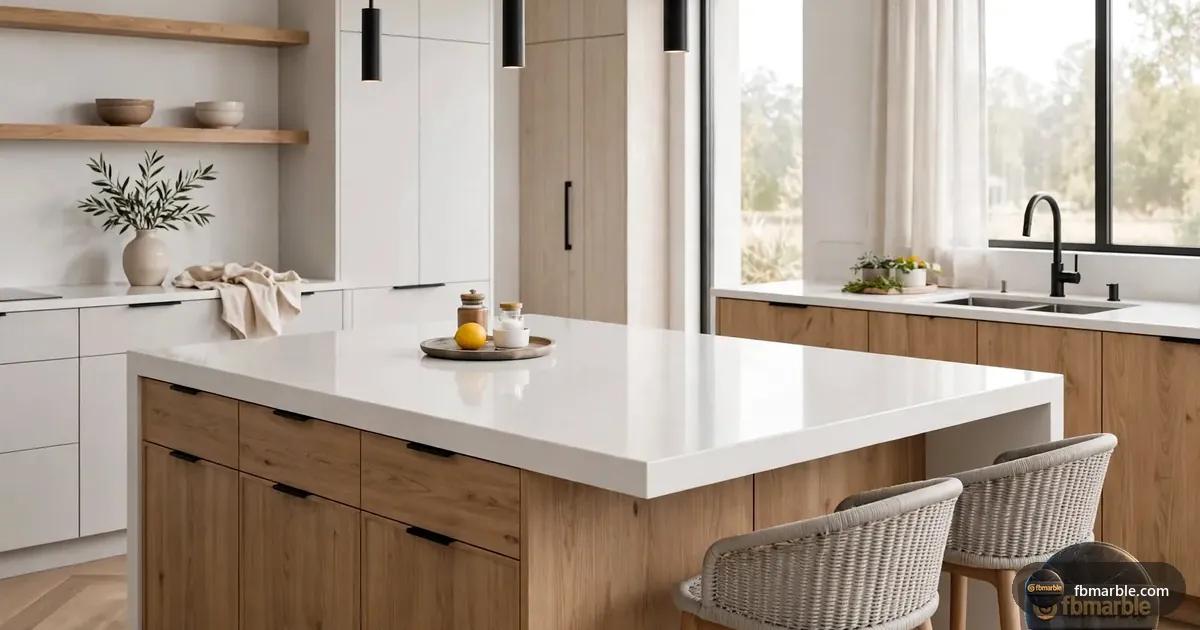
Kitchen counters, vanities, floors, stairs, window sills, wall cladding, outdoor paving, car porches and monuments.
Are All Granite Slabs the Same?
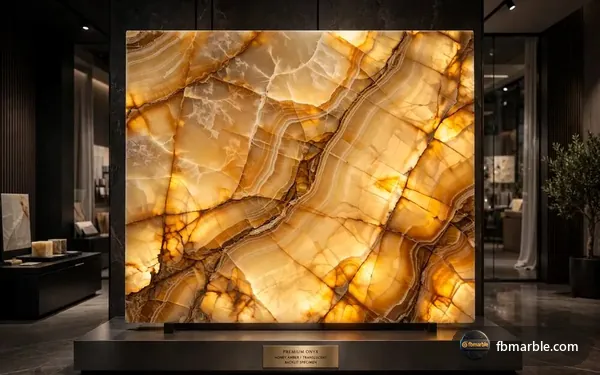
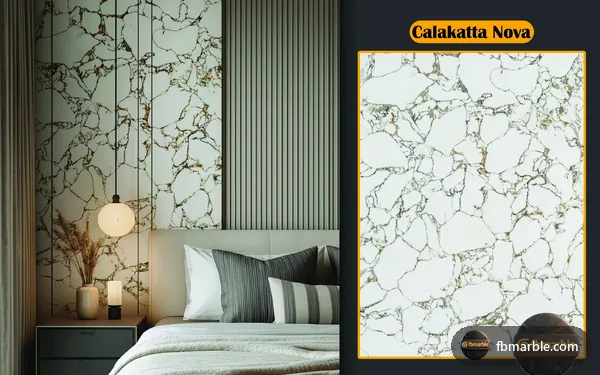
No. Even slabs from the same block vary slightly in colour and pattern, and slabs from different blocks can vary significantly. That is why we recommend:
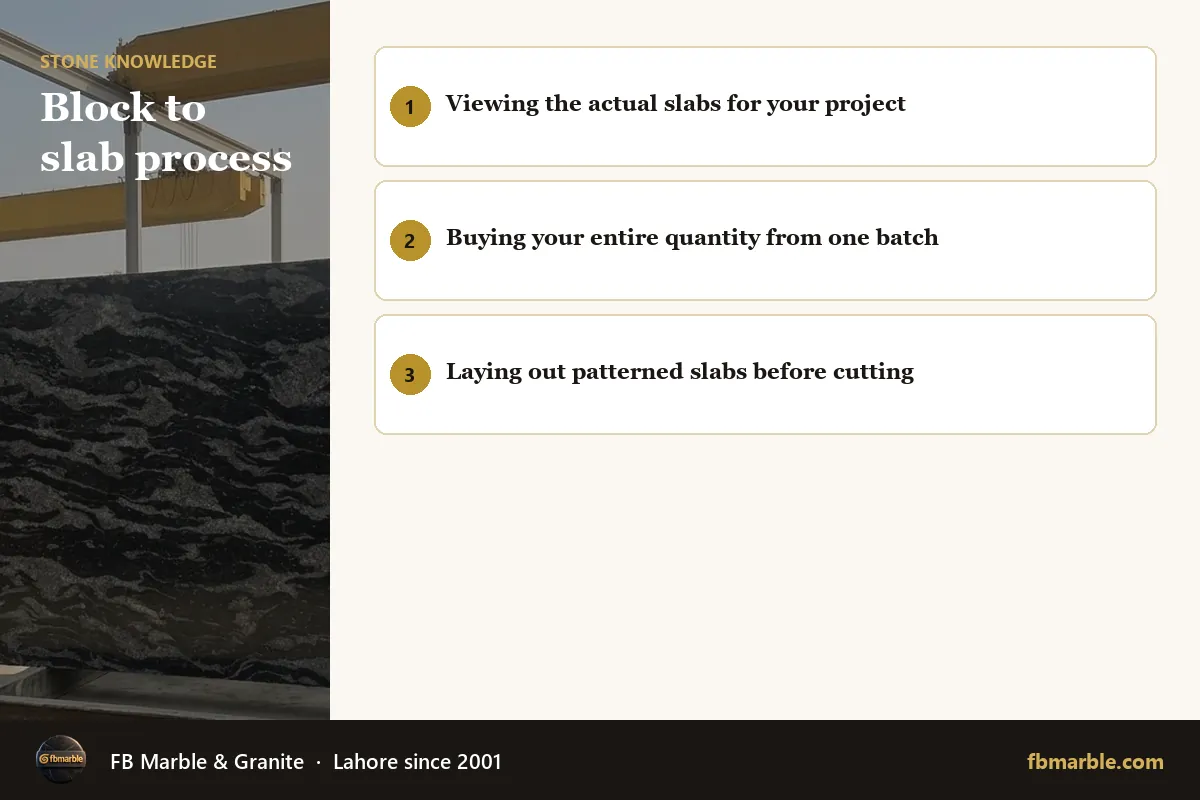
- Viewing the actual slabs for your project
- Buying your entire quantity from one batch
- Laying out patterned slabs before cutting
What Are Granite Remnants?
Remnants are leftover pieces after larger slabs have been cut for projects. They are perfect for vanities, sills, tables and small kitchens — the same stone at a lower price.
Need Help Choosing?
Our team at FB Marble will help you compare samples, check full slabs and plan your project from measurement to installation. Call or WhatsApp +92 323 4148908, or visit fbmarble.com to explore our collections and request free samples.