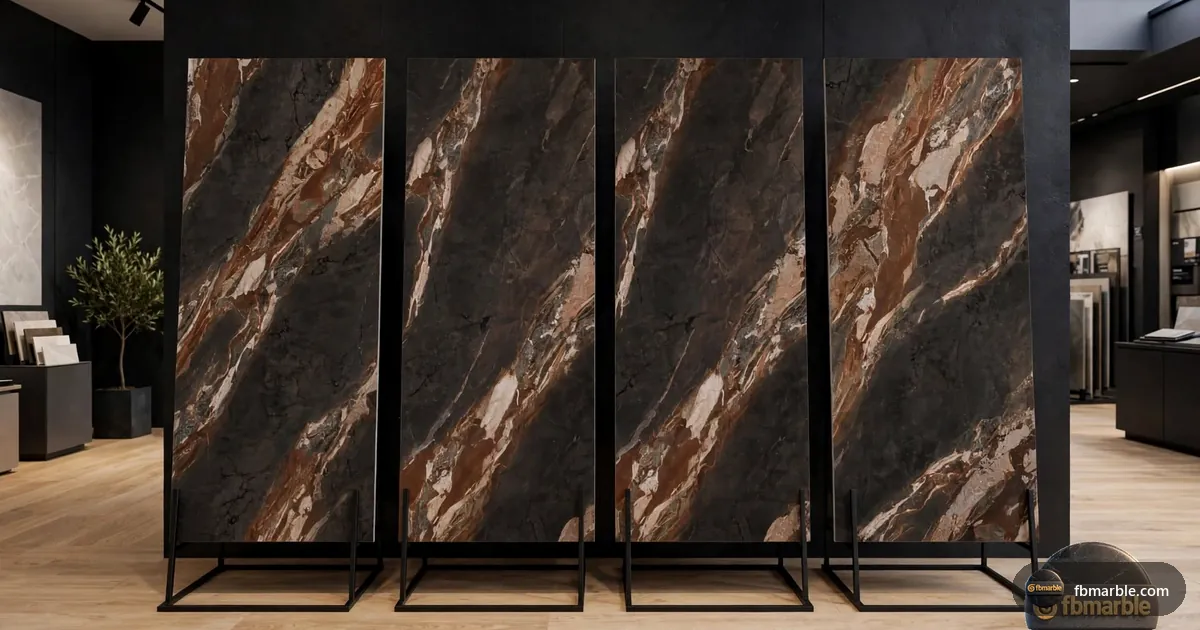
What Is Terrazzo?
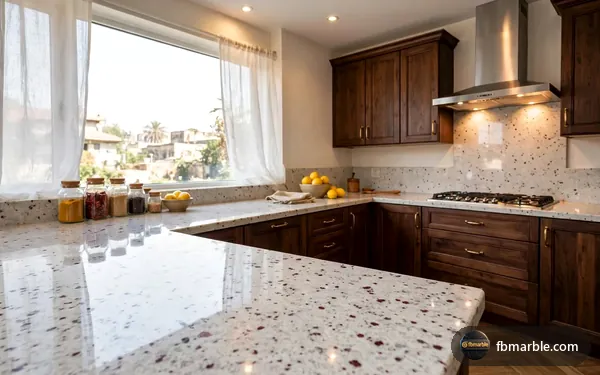
Terrazzo is a composite material made of chips of marble, granite, glass or other aggregates set in a binder — traditionally cement, now often epoxy resin. After curing, it is ground and polished to reveal the colourful chips.
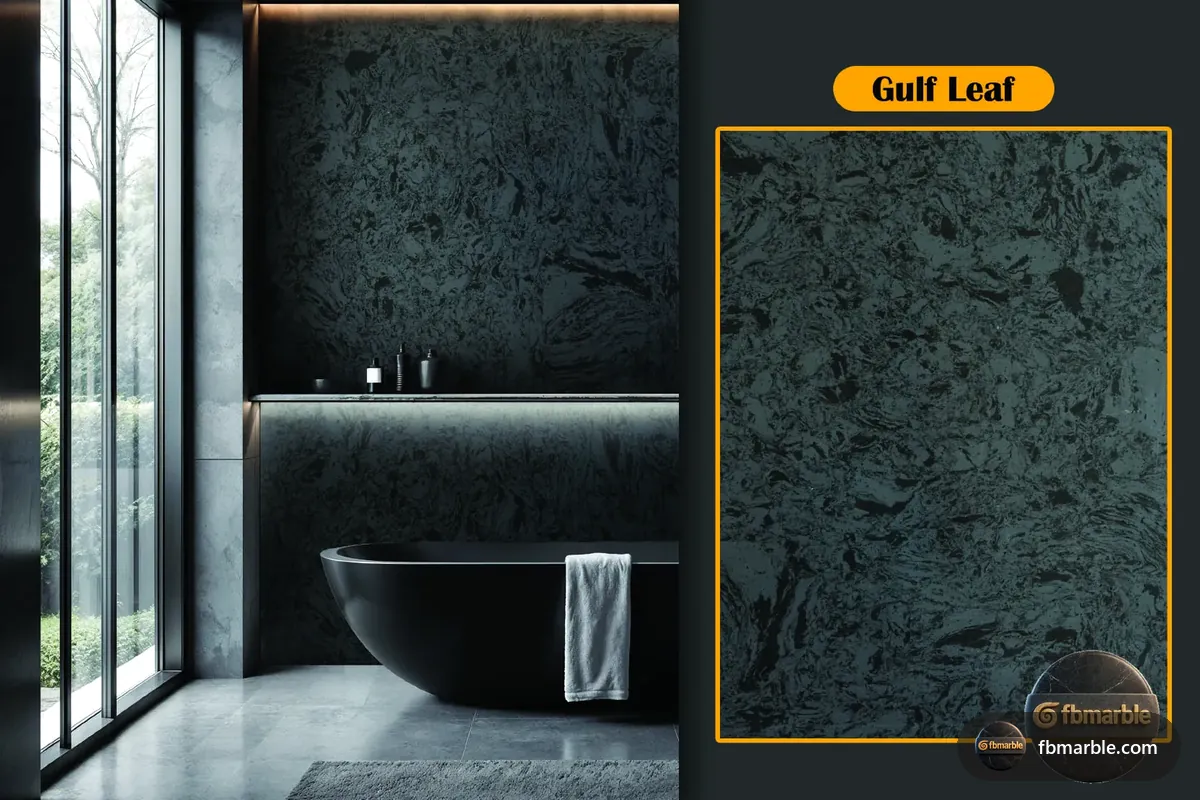
What Materials Are Used?
- Aggregates: marble chips, granite chips, glass, mother-of-pearl, recycled materials.
- Binders: cement (traditional) or epoxy resin (modern).
- Pigments: to colour the binder.
- Divider strips: brass or zinc strips in floors to create patterns.
How Much Do Terrazzo Countertops Cost?
Locally poured cement terrazzo floors can be economical. Precast terrazzo slabs and epoxy terrazzo countertops with custom designs are mid-to-premium, depending on materials and craftsmanship.
How Does the Price Compare?
| Material | Relative Cost |
|---|---|
| Local granite | Economical |
| Cement terrazzo (floors) | Economical |
| Precast terrazzo slabs | Mid |
| Quartz | Mid–premium |
| Epoxy terrazzo (custom) | Premium |
What Factors Impact Cost?
Size
Larger areas need more material and labour.
Edging
Countertop edges require precise grinding and polishing.
Aggregate Type
Glass, mother-of-pearl and special stones cost more than standard marble chips.
Binder
Epoxy costs more than cement but is less porous.
Custom Design
Patterns, colours and inlays add labour.
Installation
Poured-in-place terrazzo requires skilled workers and curing time.
Pros and Cons
Pros: unique, durable, customisable, can use recycled materials.
Cons: cement terrazzo is porous and needs sealing; can crack; specialised installation.
Terrazzo-Look Alternatives
Speckled quartz and terrazzo-design porcelain offer a similar look with easier installation.
Need Help Choosing?
Our team at FB Marble will help you compare samples, check full slabs and plan your project from measurement to installation. Call or WhatsApp +92 323 4148908, or visit fbmarble.com to explore our collections and request free samples.