What Is Quartzite?
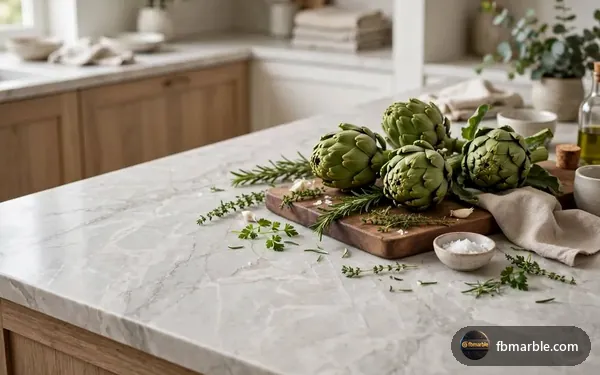
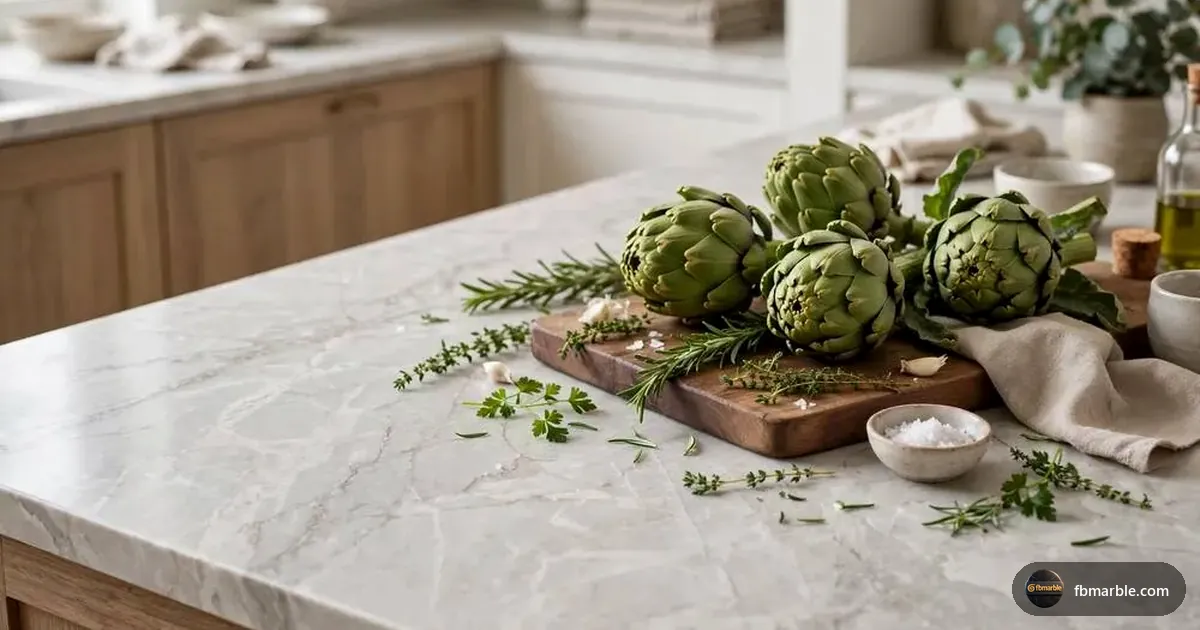
Quartzite is a natural metamorphic rock formed when sandstone is subjected to heat and pressure, fusing its quartz grains into a dense, hard stone. It often looks like marble but is much harder and does not etch from kitchen acids.
Do Quartzite Countertops Need to Be Sealed?
Yes. Even though quartzite is dense, it still has microscopic pores between its crystals. Oil, chai, haldi and coloured liquids can seep in and leave marks if the stone is unsealed. Lighter quartzites are particularly vulnerable.
How Often?
- Kitchen counters: about once a year.
- Bathroom vanities: every one to two years.
- Walls and low-use areas: less often.
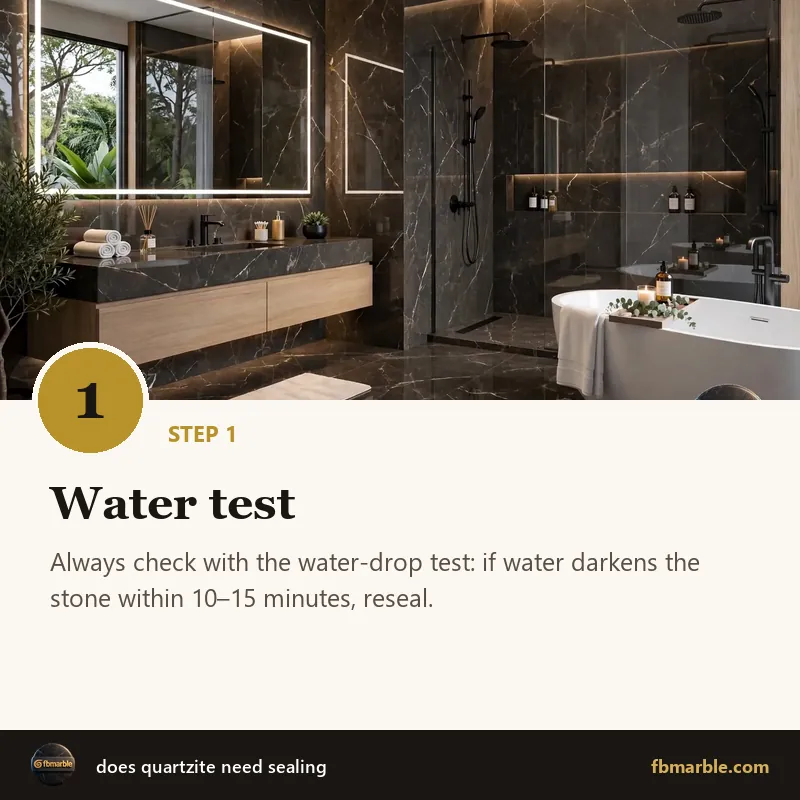
Always check with the water-drop test: if water darkens the stone within 10–15 minutes, reseal.
What Is the Best Sealer for Quartzite?
Choose a penetrating (impregnating) sealer formulated for dense, low-porosity stone. Because quartzite's pores are very fine, sealers with smaller molecules penetrate better. Avoid topical coatings that sit on the surface.
How to Seal Quartzite
- Clean the counter and let it dry fully.
- Apply sealer evenly with a lint-free cloth.
- Let it soak in for the time on the label.
- Wipe off all excess before it dries.
- Apply a second coat if recommended.
- Let it cure for 24–48 hours.
Does Quartzite Need Additional Maintenance?
- Clean with pH-neutral products to protect the sealer.
- Use trivets for very hot pans, especially near seams and cut-outs.
- Use cutting boards — quartzite will blunt knives.
- Avoid sitting on edges, which can chip.
How to Clean Quartzite Countertops
Daily: warm water, mild dish soap, rinse and dry.
Weekly: a pH-neutral stone cleaner.
Stains: baking soda poultice for oil; hydrogen peroxide poultice for organic stains.
Need Help Choosing?
Our team at FB Marble will help you compare samples, check full slabs and plan your project from measurement to installation. Call or WhatsApp +92 323 4148908, or visit fbmarble.com to explore our collections and request free samples.