What Is Soapstone?
Soapstone (steatite) is a metamorphic rock composed mainly of talc, with chlorite, magnesite and other minerals. The talc gives it a soft, slightly soapy feel — hence the name.
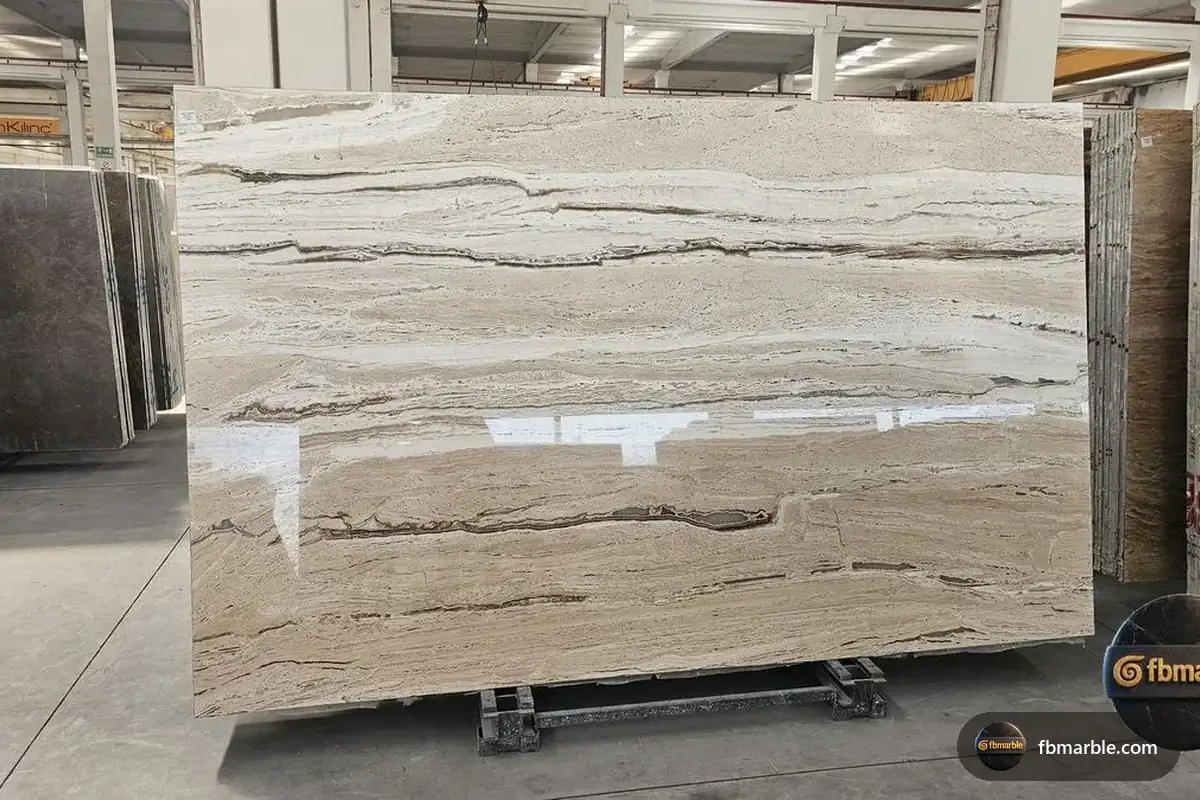
What Is Soapstone Used For?
- Kitchen countertops and sinks
- Laboratory benches (because it resists chemicals)
- Fireplaces and wood stoves (it retains and radiates heat)
- Carvings and sculptures
- Cooking stones and griddles
- Decorative objects
Where Does Soapstone Come From?
Soapstone forms where tectonic activity transforms talc-rich rocks. Deposits exist in several countries around the world, and soapstone-type stones occur in parts of South Asia, where they are traditionally carved into utensils and decorative pieces.
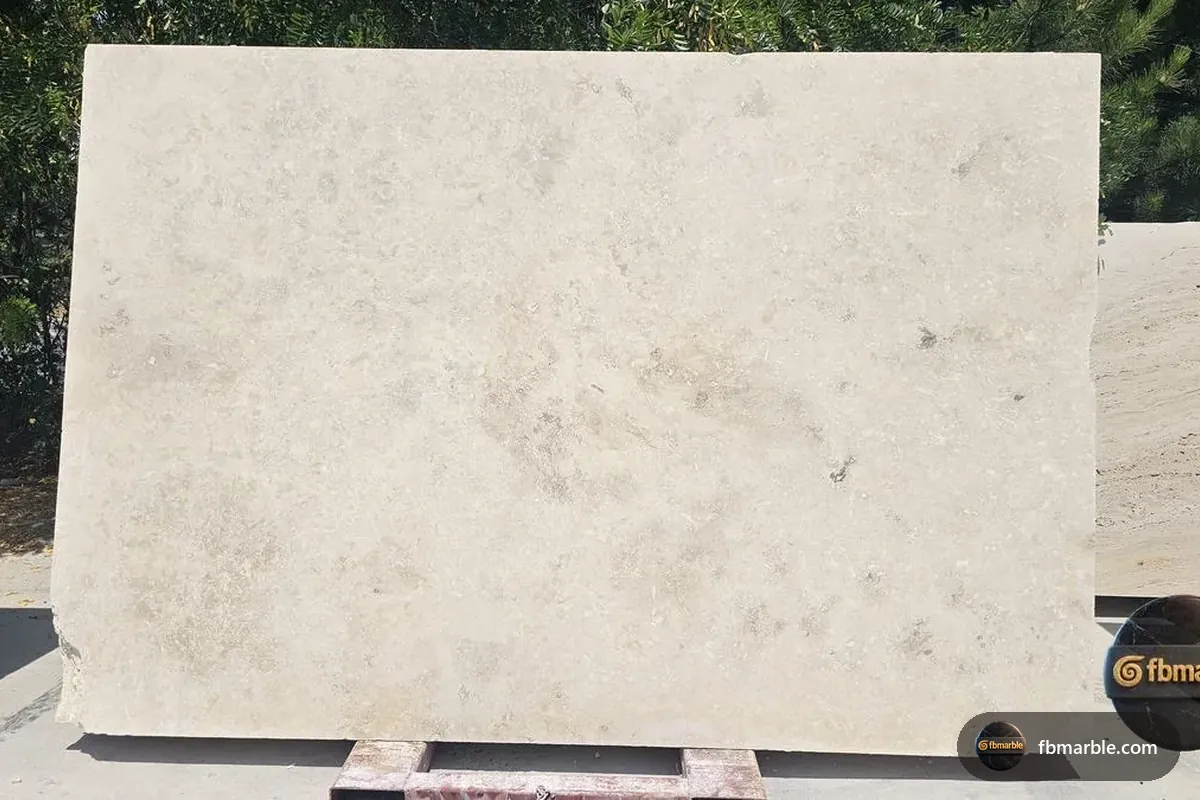
How Much Does Soapstone Cost?
As a countertop material in Pakistan, soapstone is usually imported and therefore premium with limited availability.
Pros of Soapstone Countertops
Heat-Resistant
Soapstone handles very hot pots without damage.
Non-Porous
It does not absorb liquids, so it resists stains.
Chemically Inert
Acids such as lemon and vinegar do not etch it.
Repairable
Scratches can be sanded out.
Distinctive Look
A soft, matte appearance that darkens and develops character over time.
Cons of Soapstone Countertops
Soft
It scratches and dents easily.
Requires Oiling
Mineral oil is applied to even out darkening.
Limited Colours
Mostly grey and charcoal.
Limited Availability
Hard to source in Pakistan.
Edge Wear
Edges can round off and chip over time.
Alternatives in Pakistan
For a similar look with greater durability, FB Marble recommends:
- Leathered or honed black granite — Black Pearl, Galaxy Black, Impala Black
- Titanium Black granite — dark with veins
- Matte dark quartz — Charcoal Grey, Antique Black
Need Help Choosing?
Our team at FB Marble will help you compare samples, check full slabs and plan your project from measurement to installation. Call or WhatsApp +92 323 4148908, or visit fbmarble.com to explore our collections and request free samples.