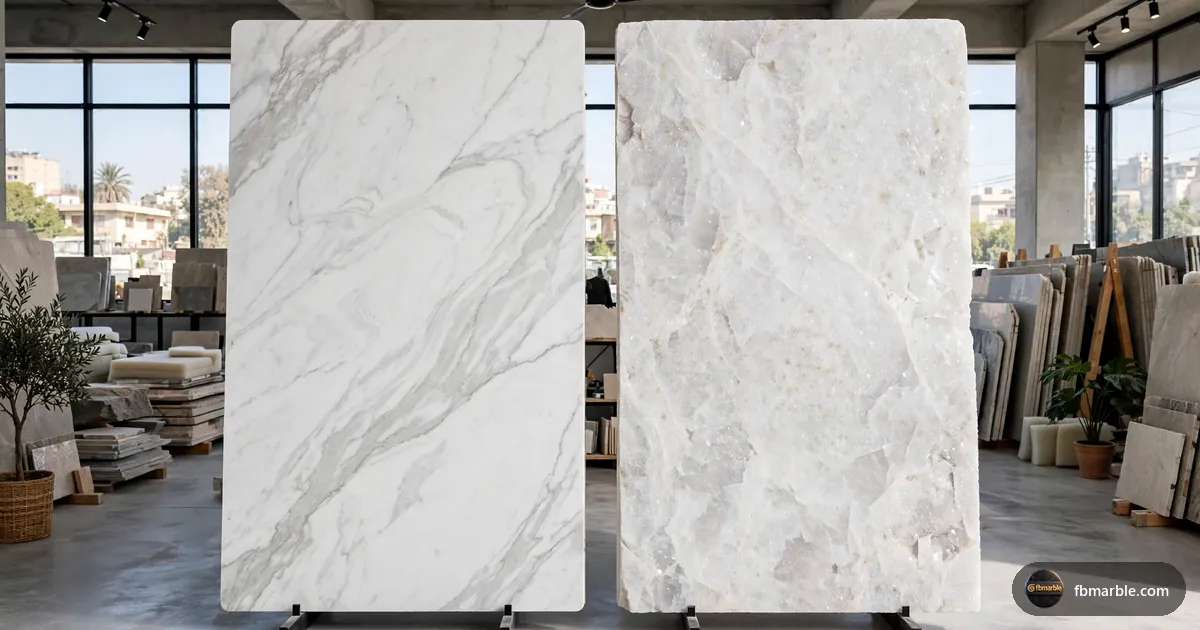
What Each Stone Is
Marble is a metamorphic rock formed when limestone is exposed to heat and pressure. It is mostly calcite, a soft mineral that reacts with acid. Pakistani favourites include Ziarat White, Sunny White and Badal marble.
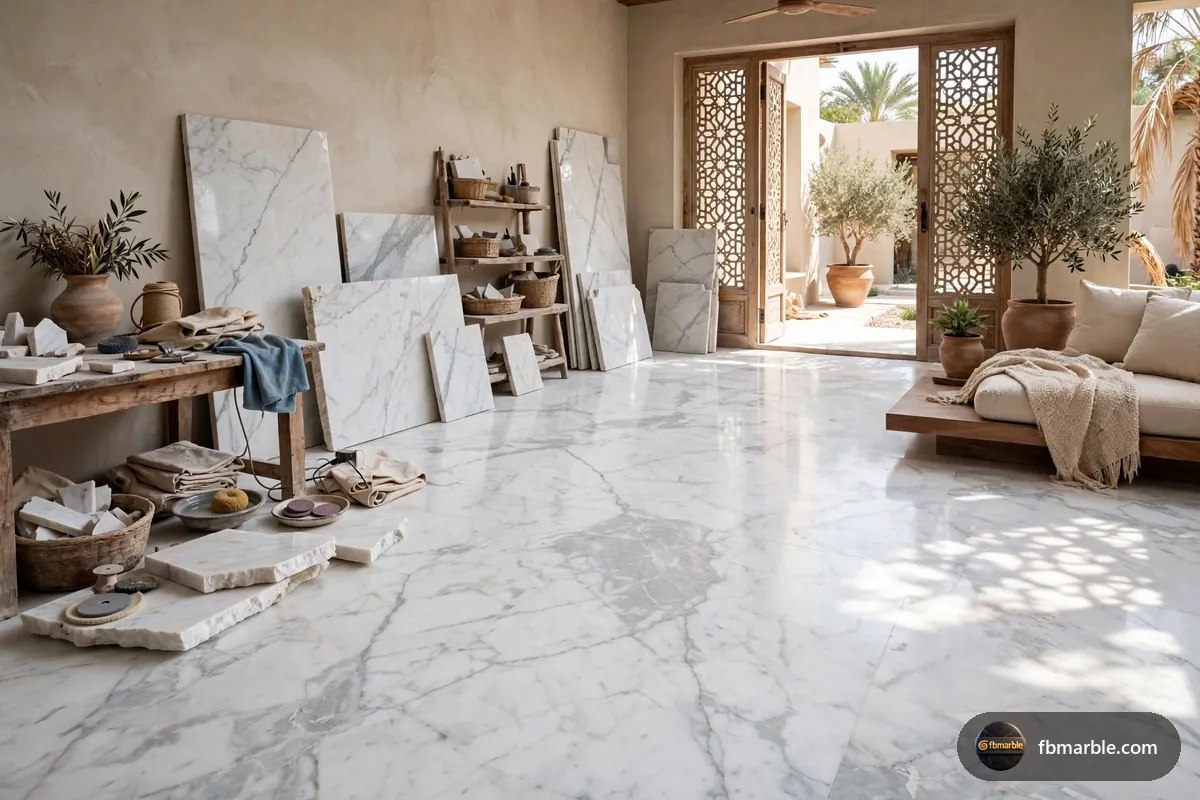
Quartzite began as sandstone. Under extreme heat and pressure the quartz grains fused into a very dense, hard rock. Natural quartzite should not be confused with engineered quartz, which is a factory-made product.
Structure
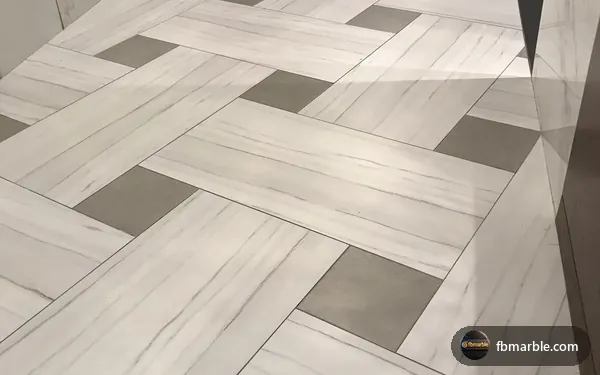
Marble usually shows soft, cloudy veining and a slightly translucent depth. Quartzite often has a glassy, sparkly look when light hits the surface, and its veins can look like streaks of sand or crystal.
Hardness
On the Mohs scale, marble sits around 3, while true quartzite is about 7 — harder than a steel knife and harder than glass. This is the most reliable test:
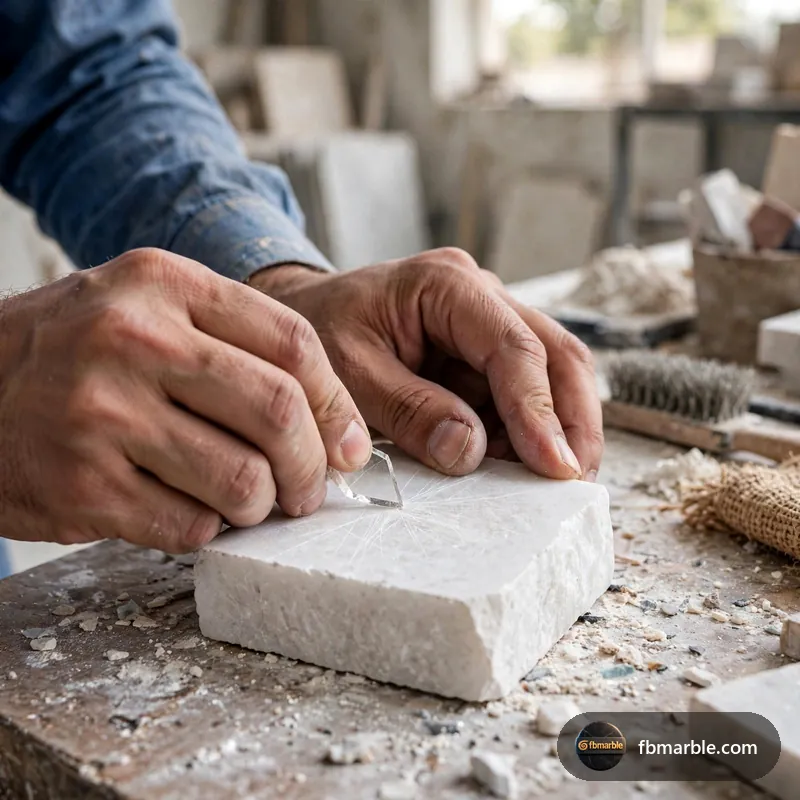
The glass test: take a sample and drag a sharp corner firmly across a glass tile. Quartzite will scratch the glass. Marble will not; instead the stone may leave a powdery mark.
The knife test: a steel knife will scratch marble easily but will barely mark real quartzite.
Stain Resistance
Both stones have pores and need sealing, but marble generally absorbs liquids faster. Quartzite still needs sealing, especially lighter varieties, yet it tolerates daily use better.
Etching
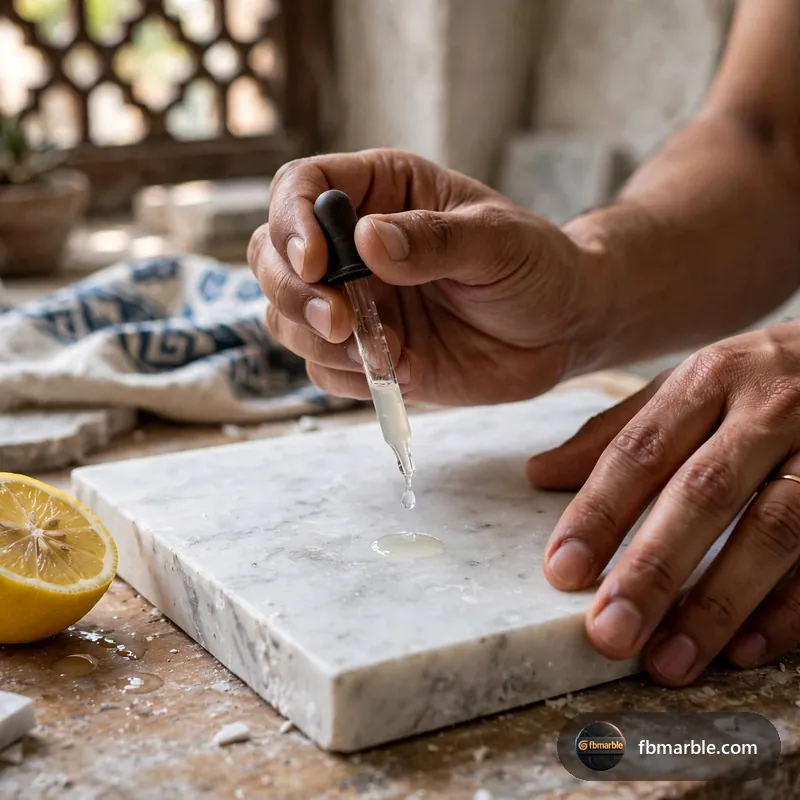
Put a drop of lemon juice or vinegar on a hidden part of the sample. After a few minutes, wipe it off. Marble will show a dull spot where the acid ate the polish; quartzite will remain shiny. This is the clearest indicator for kitchen use, since Pakistani cooking involves lemon, tomatoes, imli and yogurt.
Chipping and Breaking
Quartzite is hard but can be brittle at thin edges, so rounded edge profiles are wise. Marble is softer and may chip at corners if struck by heavy pots.
Heat Resistance
Both are natural stones and handle warm cookware better than engineered quartz. Still, using trivets protects the sealer and avoids thermal shock.
Cost
Genuine quartzite is usually more expensive than common marbles because it is harder to quarry, cut and polish. Many Pakistani marbles are very affordable, which makes them ideal for flooring and walls.
Which Should You Choose?
- Busy kitchen counters: quartzite or granite, or engineered quartz if you want no sealing.
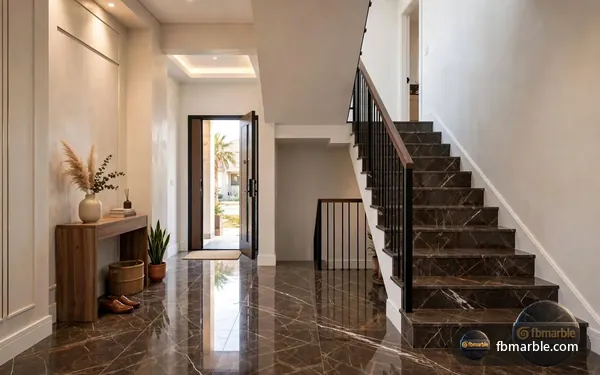
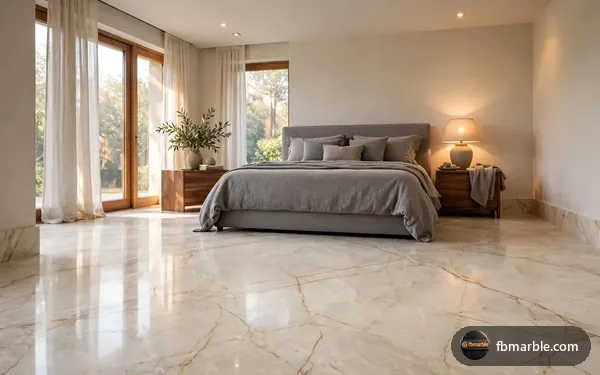
- Floors, walls and stairs: marble gives beautiful results at a reasonable cost.
- Vanities and dining tables: marble works well if you accept some patina.
How FB Marble Helps
Our team in Lahore will let you test samples before you buy, and we label stones clearly. If you are not sure whether a slab is marble or quartzite, ask us to do the glass and acid tests in front of you.
Why Choose FB Marble?
With 25+ years of experience, local and imported stock, in-house fabrication and installation, FB Marble & Granite is a trusted name for stone in Lahore and across Pakistan. WhatsApp +92 323 4148908 or visit fbmarble.com to start your project.