Granite for Outdoor Use: Choosing Finishes, Colours and Fixing for Steps, Porches and Elevations
Granite is one of the best stones for outdoors: hard, frost and rain resistant, and long-lasting. But the wrong finish can turn steps into a slip hazard, and the wrong colour can be too hot to walk on in June.
Pakistani summers, monsoon rain and dusty winds are hard on any material. Granite handles them better than marble, but three choices decide whether outdoor granite stays safe and good-looking: the finish, the colour and the fixing.
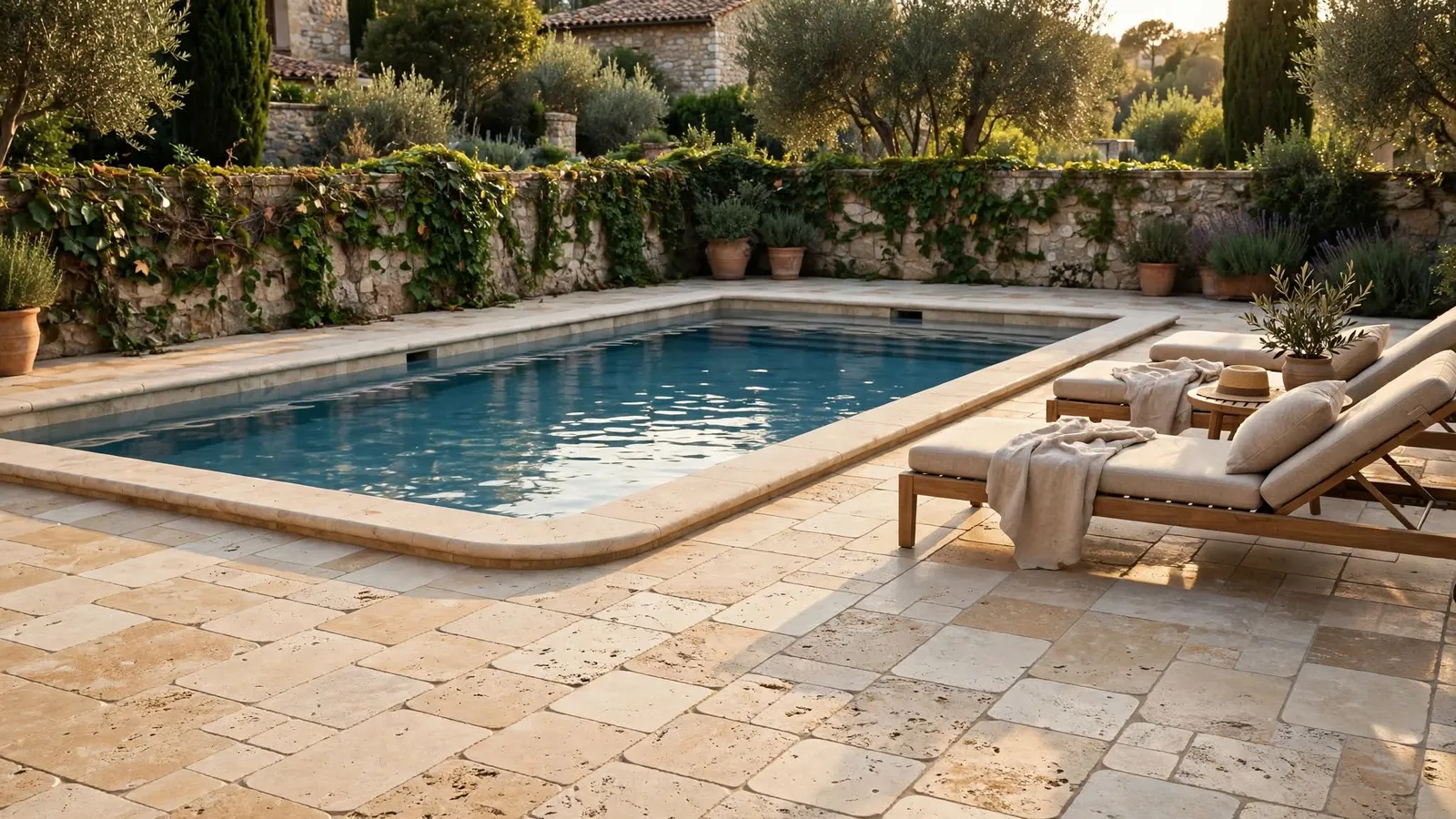
Granite is hard, resists rain and frost, and lasts for a very long time outside. Marble etches with acids and is softer, so it wears and dulls faster in the open. That makes granite the natural choice for front steps, porches, gate entrances, terraces, driveways and pool surrounds. This guide takes you through the decisions in order, from finish to colour to fixing and care.
What you need to decide
- Where the stone goes: open steps, a covered porch, a terrace, a driveway or a wall.
- The finish, which controls grip when the surface is wet.
- The colour, which affects how hot the surface gets in summer sun.
- The thickness, which depends on whether people or cars use it.
- The fixing method, the slope for water and the movement joints.
- The sealer and the cleaning routine once it is installed.
Step 1: Choose the right finish
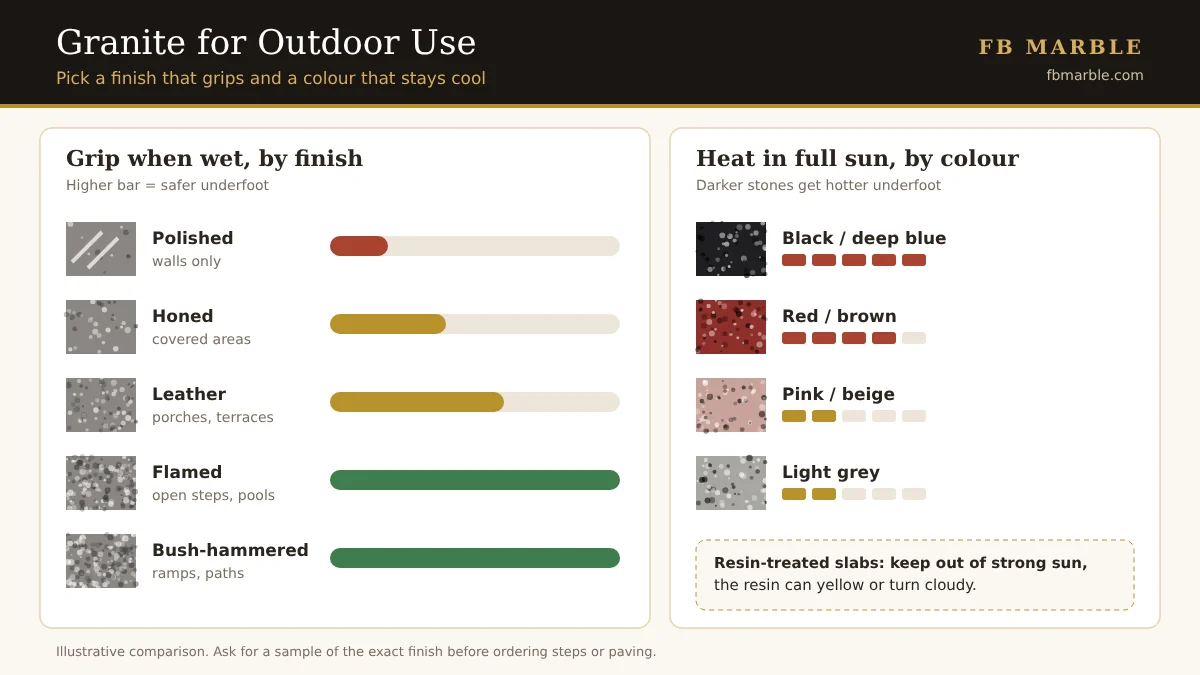
| Finish | Grip when wet | Best outdoor use |
|---|---|---|
| Polished | Low: slippery | Vertical walls and elevations only |
| Honed (matt) | Medium | Covered porches, dry areas |
| Leather / brushed | Good | Porches, terraces, steps under cover |
| Flamed (thermal) | Very good | Open steps, ramps, driveways, pool surrounds |
| Bush-hammered | Very good | Ramps, heavy-traffic paths |
Flaming makes the surface rough and slightly lighter in colour, so always look at a flamed sample, not just the polished slab. Our finishes guide compares them in detail.
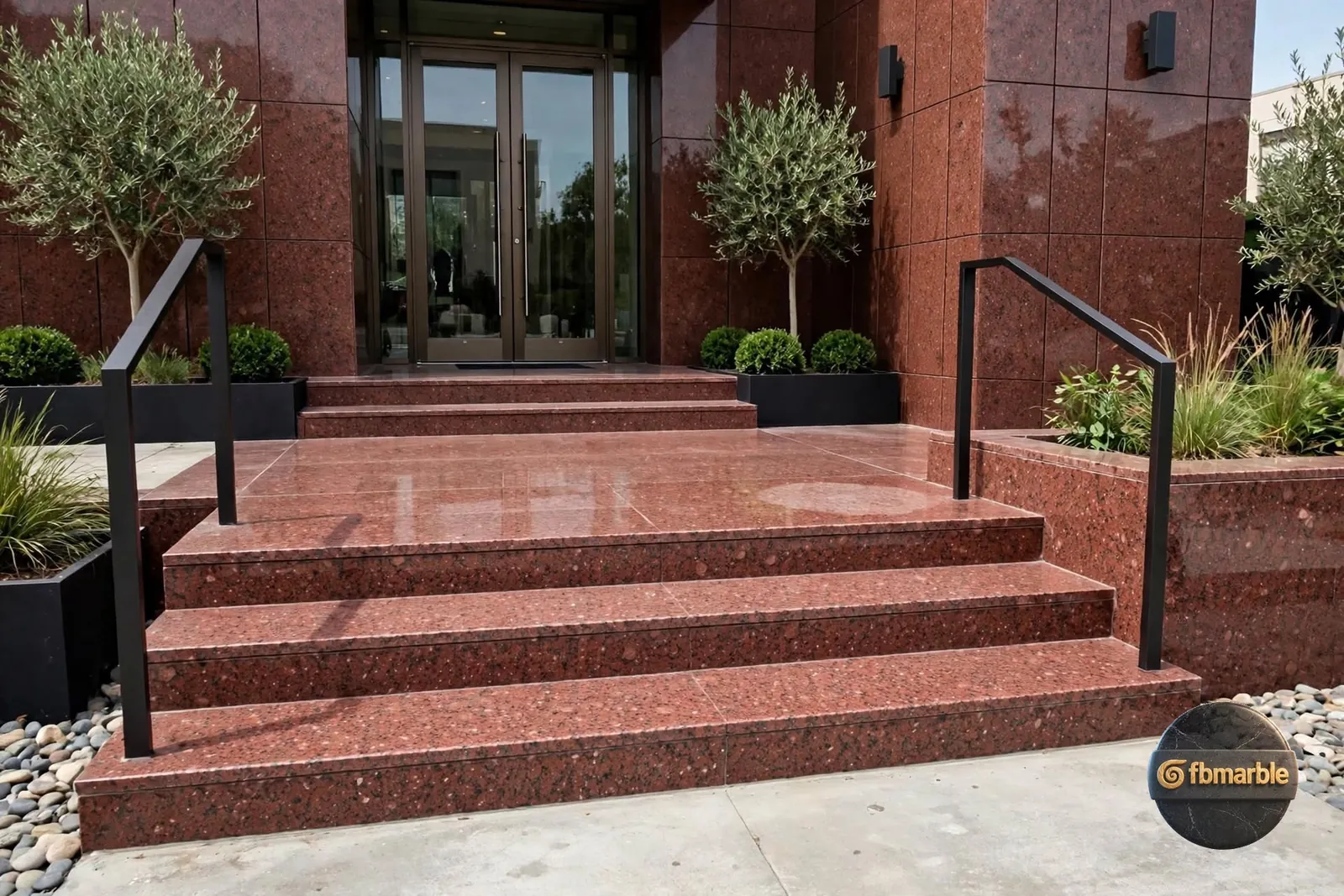
Think about the wettest moment the surface will see, not the driest. A porch that looks fine in May becomes a hazard in the first monsoon shower, or when the car is washed and water runs across the steps. Elderly family members coming home from the mosque, children running in from the lawn and guests arriving for a dinner all use the front steps, so grip matters more here than anywhere else in the house.
A common approach is to use polished granite on the walls and the vertical risers for shine, and a flamed or leather finish on every surface people walk on.
Step 2: Choose the right colour
- Dark granites get hot. Black and deep blue stones in full sun can become too hot for bare feet around a pool. Use them on walls, borders and shaded areas.
- Light and mid tones stay cooler. Grey, pink and light brown granites such as Sadio Pink, Grey Suprema and Cherry Pink are popular for steps and porches.
- Avoid resin-treated slabs in strong sun. The stone itself does not fade, but factory resin can yellow or turn cloudy under UV. Ask whether the slab is resin-filled.
- Light granites can show rust spots if the stone has iron-bearing minerals and stays wet. Good drainage and sealing reduce this.
Lahore afternoons in June are when the colour choice shows. A black granite terrace that faces west can be uncomfortable to walk on barefoot by the evening, while a pink or grey one in the same spot stays much more bearable. If you love a dark stone, use it as a border or a band around a lighter field, or on walls where nobody stands on it.
Dust is the other factor. Very dark polished stone shows every layer of dust and every dried water mark. Mid-tone speckled granites hide both, which suits a gate entrance or a driveway that cannot be washed every day.
Step 3: Choose the thickness
- Use 30mm or thicker for steps, paving and driveways; 20mm is fine for walls with mechanical fixing.
Thickness also adds weight. Granite weighs about 4.5 to 5.5 kg per sq ft at 20 mm and about 7 to 8 kg at 30 mm, which is worth knowing when planning how pieces will be carried up to a roof terrace or fixed on a wall.
Step 4: Fix it properly
- Bed paving and steps on a full bed of mortar or adhesive, with a slight fall (slope) so water runs off.
- Leave movement joints on large terraces, filled with a stone-safe sealant.
- For walls and elevations, use stainless anchors; see our elevation fixing guide.

Outdoor stone goes through bigger temperature swings than anything inside the house. A terrace in full sun heats up through the day and cools at night, and that movement needs somewhere to go. Movement joints give it that space. A full bed matters too: hollow spots under outdoor paving collect water, and the stone above them is more likely to crack under a car tyre or a heavy planter.
Check the slope before the stone is laid. Water should run away from the house, off the steps and into a drain, never towards a door or into a corner where it stands for days after rain.
Step 5: Seal and care for it outdoors
Use a breathable, impregnating sealer outdoors, never a shiny coating, which peels and traps moisture. Sweep regularly, wash with plain water, and clean moss or algae with a stone-safe cleaner, not acid. Around pools, rinse off chlorine splash. Our outdoor stone guide covers pools and elevations in more depth.
Shaded, damp corners such as the area under a water tank overflow or beside a garden tap are where moss and algae start. Fix the leak or improve the drainage first, then clean the stone.
Outdoor areas at a glance
| Area | Finish | Colour | Thickness |
|---|---|---|---|
| Open front steps | Flamed or leather treads | Light or mid tone | 30mm or more |
| Covered porch | Honed or leather | Any; light tones stay cooler | 30mm for heavy use |
| Driveway and ramps | Flamed or bush-hammered | Mid-tone speckled to hide dust | 30mm or more |
| Pool surround | Flamed | Light; avoid black in full sun | 30mm |
| Walls and elevations | Polished is fine | Any natural granite | 20mm with mechanical fixing |
Step 6: Check it through the first year
Walk the area after the first heavy monsoon rain. Look for puddles that do not drain, joints that have opened, and any piece that rocks or sounds hollow underfoot. Do the same check at the end of the first summer, when the stone has been through its biggest heat. Small problems such as a failed joint or a blocked weep hole are quick to fix early, and much harder once water has got under the stone for a whole season.
Keep a few spare pieces from the same lot in a dry store room. If a step is ever chipped by a dropped gas cylinder or a piece of furniture, a matching replacement is then easy to fit.
Common mistakes
- Polished granite on open steps. It is slippery when wet.
- Black granite around a pool in full sun. It becomes too hot for bare feet.
- Resin-treated slabs outdoors. The resin can yellow or cloud under UV.
- 20mm stone on a driveway. Use 30mm or thicker where cars drive.
- No slope. Standing water leads to stains, algae and slippery patches.
- Cleaning with acid. It weakens the sealer and harms nearby marble or cement.
- Shiny topical coatings. They peel in the sun and trap moisture.
Stones in this guide
 Sadio Pink GraniteFrom Rs 750 / sq ft
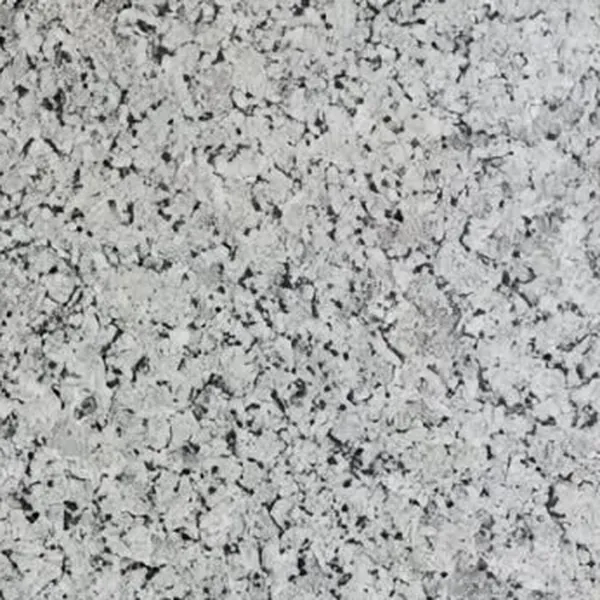 Grey Suprema GraniteFrom Rs 1,800 / sq ft
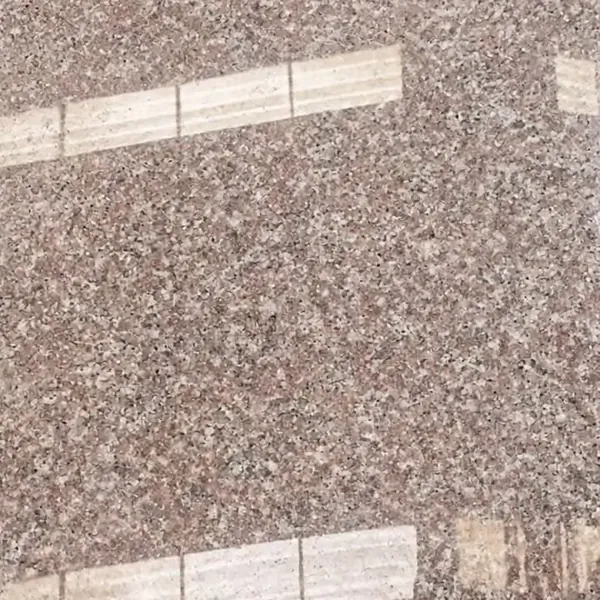 Cherry Pink GraniteFrom Rs 850 / sq ft
Estimated rates per square foot for the slab only, as listed on each stone's page. Rates move with stock and import costs, so confirm today's price on WhatsApp.
Frequently asked questions
Is polished granite safe for outdoor steps?
No. Polished granite is slippery when wet. Use a flamed, leather or bush-hammered finish for open steps, ramps and pool areas.
Does granite fade in the sun?
Natural granite does not fade, but resin used to treat some slabs can yellow or cloud under strong UV, so avoid resin-treated slabs in full sun.
Which granite colour is best for a porch?
Light and mid tones such as Sadio Pink, Grey Suprema or Cherry Pink stay cooler than black or deep blue granite in direct sun.
What thickness of granite is used for outdoor steps?
30mm or thicker for steps, paving and driveways, bedded on a full bed of mortar or adhesive with a slight slope for water.
Does flamed granite look different from the polished slab?
Yes. Flaming makes the surface rough and slightly lighter in colour, so always look at a flamed sample before ordering.
Which sealer should be used on outdoor granite?
A breathable impregnating sealer. Avoid shiny coatings outdoors, as they peel and trap moisture. See the sealing guide.
Want to see these stones in person?
Visit our showroom at Bedian Road, DHA Phase 6, Lahore, ask for free samples, or send us your measurements for a quote.