Quartz vs Granite Countertops: An Honest Comparison for Pakistani Kitchens
Quartz gives you perfect consistency and marble-like looks. Granite gives you natural character and real heat resistance. The right choice depends on how your kitchen is actually used.
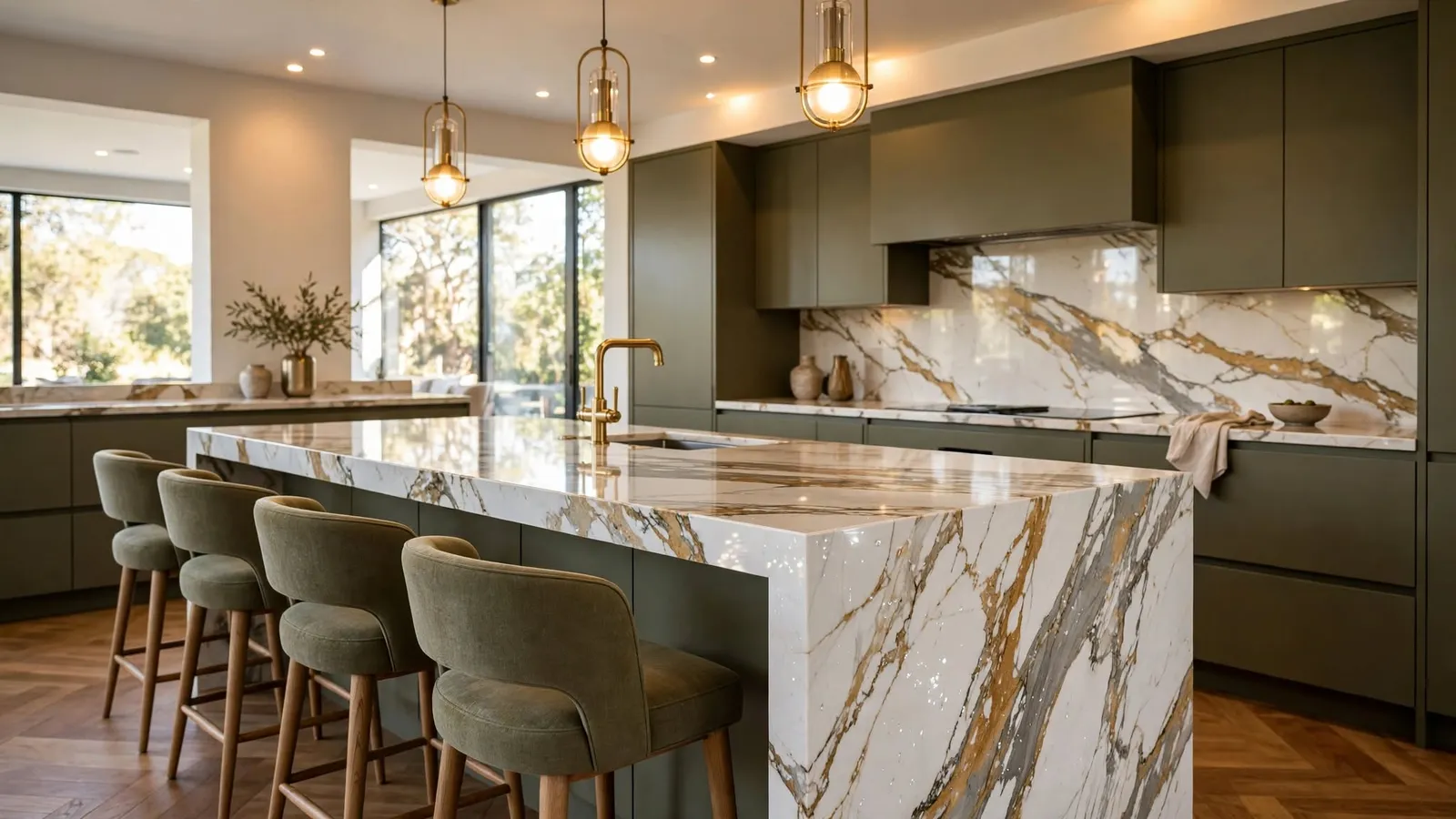
Ten years ago almost every kitchen in Lahore had granite. Today, engineered quartz is just as common in new houses, especially in white and marble-look designs. Both are good materials. They simply behave differently, and Pakistani cooking, with its heavy pots, high flames and turmeric, tests those differences every day.
This guide explains what each material is, compares them on heat, stains, looks, sunlight and price, and then gives a step-by-step way to decide for your own kitchen.
What each material is
Granite is a natural igneous stone, cut from quarries as solid blocks. Every slab is unique, and its colour runs through the full thickness.
Quartz (engineered stone) is made in a factory from crushed natural quartz bound with resin and pigments, then pressed into slabs. Because it is manufactured, the pattern is consistent and the surface is non-porous.
That one difference, natural stone against stone bound with resin, explains most of what follows.
Heat: the biggest practical difference
Granite handles heat well. Putting a hot pot down on it for a moment will not hurt it, although a trivet is still good practice. Quartz contains resin, and resin can scorch or discolour under direct high heat. With quartz, always use a trivet for karahi, tawa and pressure cookers straight off the flame.
Think about the way your family cooks. A karahi of chicken finished on a high flame, a tawa taken off after a stack of rotis, or a pressure cooker moved off the hob for the steam to settle are all everyday moments in a desi kitchen. On granite they are not a worry. On quartz each one needs a trivet within reach.
Stains and sealing
Quartz is non-porous, so it does not need sealing and resists haldi, oil and tea very well. Granite is naturally slightly porous, lighter granites more than dark ones. A sealed granite counter resists stains well, but it needs resealing from time to time. See how to seal natural stone.
Cleaning differs too. Quartz resin dislikes bleach and harsh chemicals, so a pH-neutral cleaner and warm water are best. Granite generally does not etch, but acids such as lemon and vinegar weaken the sealer over time, so the same mild cleaner suits it as well.
Looks
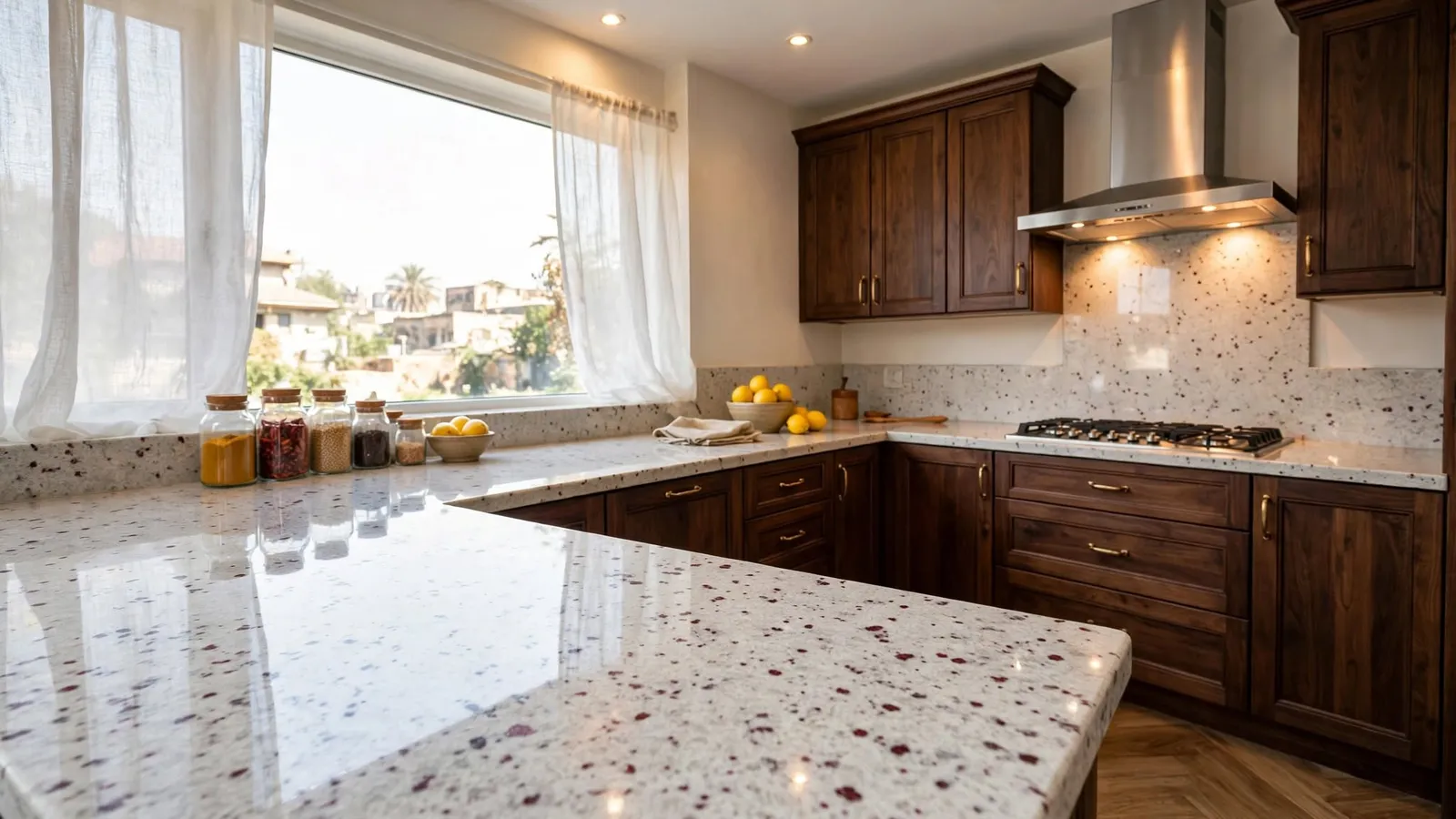
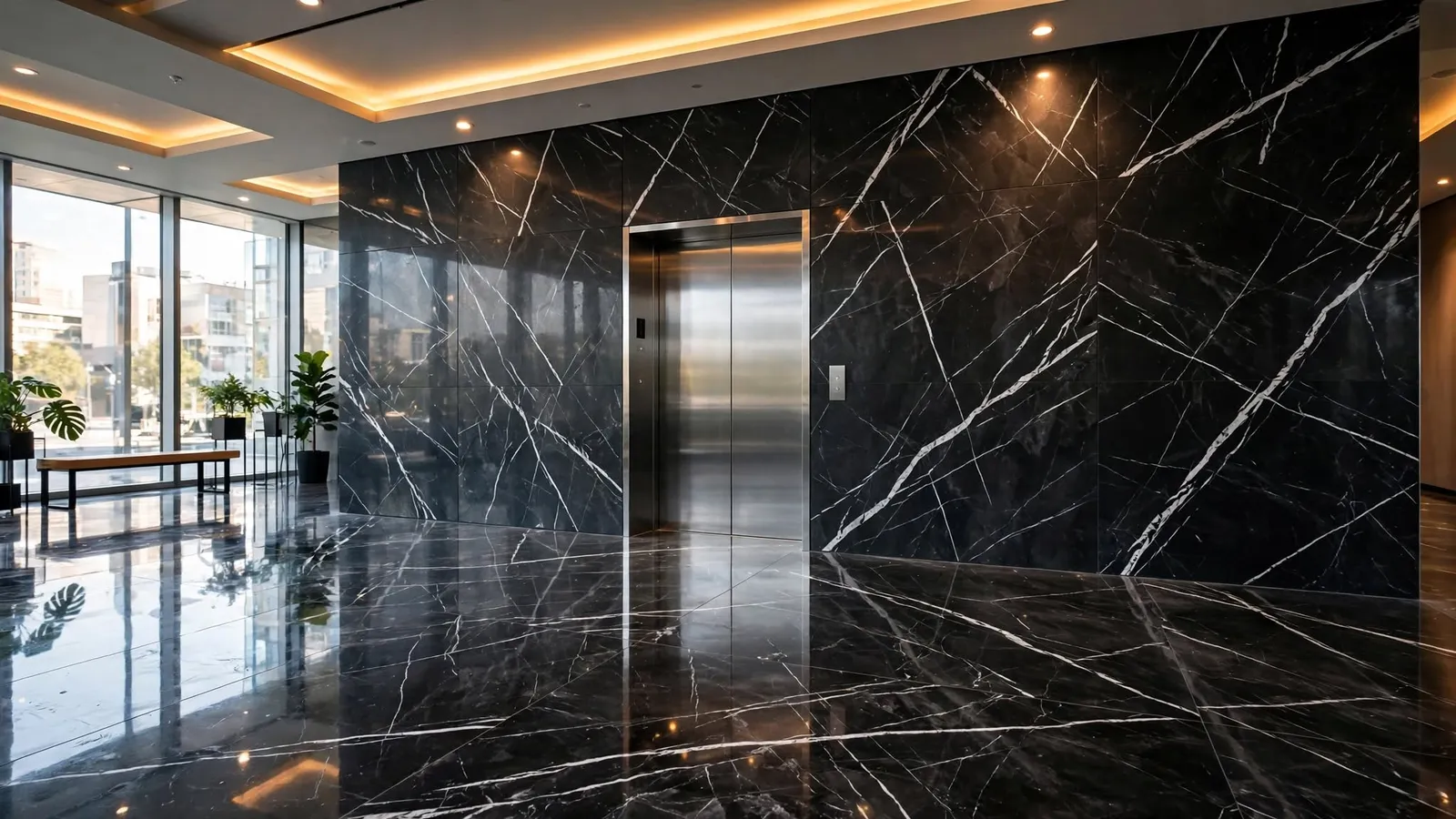
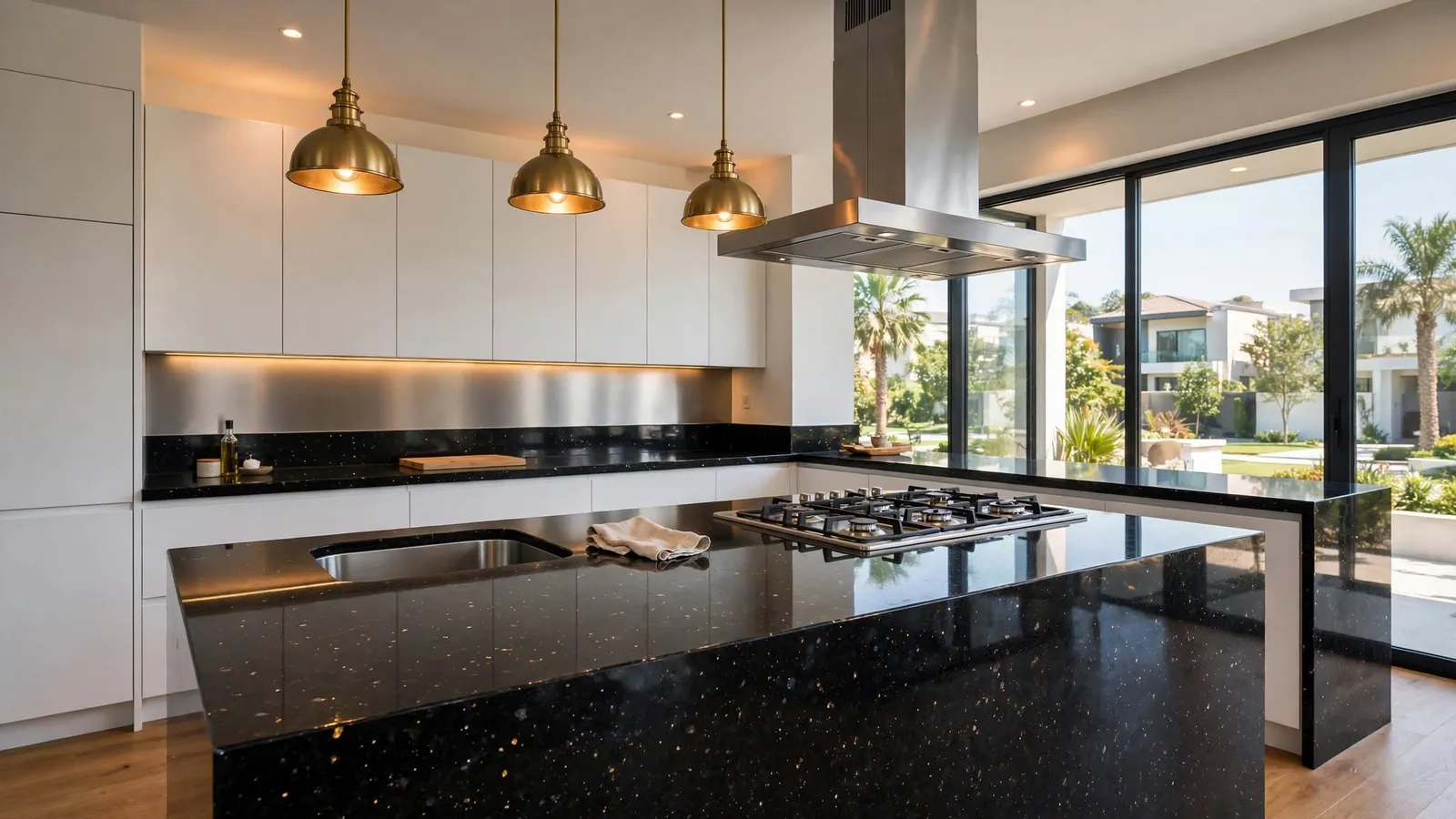
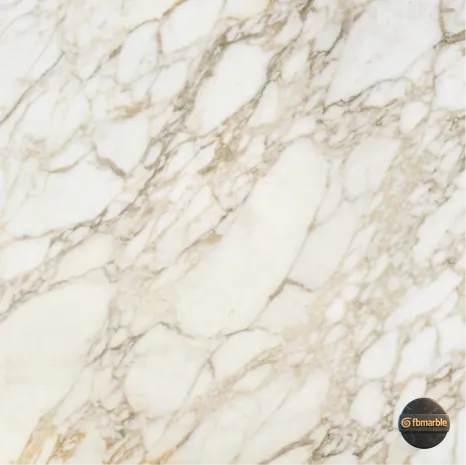
If you love the look of marble but not its softness, quartz is the easiest route. Marble-look quartzes like Calacatta Gold, Statuary White and Panda White give dramatic veining with matching slabs. If you prefer natural depth and sparkle, granites like Galaxy Black or Blue Pearl have a three-dimensional look that engineered stone cannot fully copy.
Outdoors and sunlight
Quartz is not recommended for outdoor kitchens, BBQ counters or spots in direct sun, because UV light can yellow or fade the resin over time. Granite is fine outside. For outdoor counters, choose granite.
This matters in Pakistan, where summer sun is strong for months. A rooftop BBQ counter, a counter under a skylight or a sun-facing window sill are all better in granite.
Price in Pakistan
Our quartz range sits at an estimated Rs 1,350 – 1,500 per sq ft across most colours. Granite spans a much wider band, from about Rs 250 for local stones to Rs 4,500+ for exotic imports. Mid-range Pakistani granites such as Kashmir White and Black Pearl usually cost less than quartz, while imported granites are often similar or more. Our granite price guide breaks this down.
Quick comparison
| Granite | Quartz | |
|---|---|---|
| Material | 100% natural stone | Engineered: quartz + resin |
| Heat from pots | Very good | Use trivets |
| Stain resistance | Good when sealed | Excellent, no sealing |
| Pattern | Unique, varies by slab | Consistent, slabs match |
| Outdoor use | Yes | Not recommended |
| Estimated rate | Rs 250 – 5,000 / sq ft | Rs 1,350 – 1,500 / sq ft |
What you need to decide
- a clear picture of how often you cook with high flames and heavy pots
- your cabinet and floor colours, or samples of them
- a note of which counters get direct sun
- your counter measurements in feet
- a budget range for the slab itself
How to choose: step by step
Step 1: Map your cooking zone
Mark where the hob sits and where hot pots land when they come off the flame. If that area is used several times a day, granite is the more relaxed choice there, because it takes heat without fuss.
Step 2: Decide how much maintenance you want
Quartz needs no sealing and resists haldi, oil and tea. Granite needs sealing and an occasional reseal, and dark granites forgive more than light ones. If you want the least upkeep and can keep trivets by the hob, quartz suits you.
Step 3: Choose the look
For a white or marble-look kitchen with matching slabs, quartz is the simple route. For natural sparkle and depth, choose granite. Look at full slabs, not only small samples.
Step 4: Check for sun and outdoor use
Any counter outdoors or in direct sun should be granite, because UV light can yellow or fade quartz resin.
Step 5: Compare complete quotes
Compare the finished job, not just the slab rate. Cutting, edging, cut-outs and fixing can change the total for either material.
Using both in one kitchen
A mixed kitchen often gives the best of each material. A typical plan puts granite on the run that holds the hob and the sink, where hot pots, steam and splashes are constant. Quartz then goes on the island, the breakfast bar or a serving counter, where its matching veins are on show and heat is rarely an issue. Choose colours that work together: a dark granite such as Black Pearl on the cooking run with a white quartz island is a simple, balanced pairing.
The same idea works across the house. Quartz is a practical choice for bathroom vanities, where there is no high heat and stain resistance helps with toothpaste, hair oil and soap. Granite suits laundry areas, rooftop counters and anywhere that sees sun or rough use.
Common mistakes
- Putting hot pots straight on quartz. Resin can scorch under direct high heat. Keep a trivet beside the hob.
- Using bleach on quartz. Bleach and harsh chemicals can damage the resin. Use a pH-neutral cleaner.
- Leaving light granite unsealed. Haldi and oil can mark an unsealed light granite. Seal after installation.
- Fitting quartz outdoors. Sun can yellow the resin over time. Use granite for rooftop and garden counters.
- Choosing from a small sample. Granite varies by slab, so see the actual slab before cutting.
Our recommendation
- Heavy daily desi cooking, open flames, large family: granite, especially a darker one.
- White or marble-look kitchen, low-maintenance priority: quartz, with trivets by the hob.
- Outdoor or sun-facing counter: granite.
Many homes use both: granite on the main cooking run and quartz on the island or in bathrooms. Browse all quartz colours and granite colours, or compare in person at the showroom.
Stones in this guide
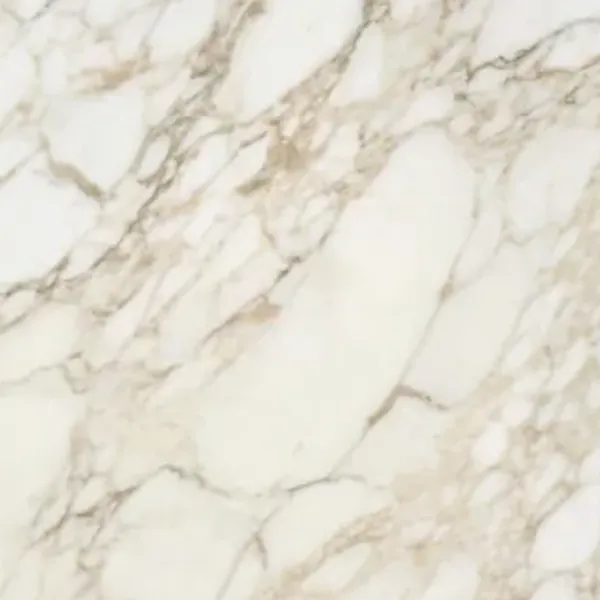 Calacatta Gold QuartzFrom Rs 1,350 / sq ft
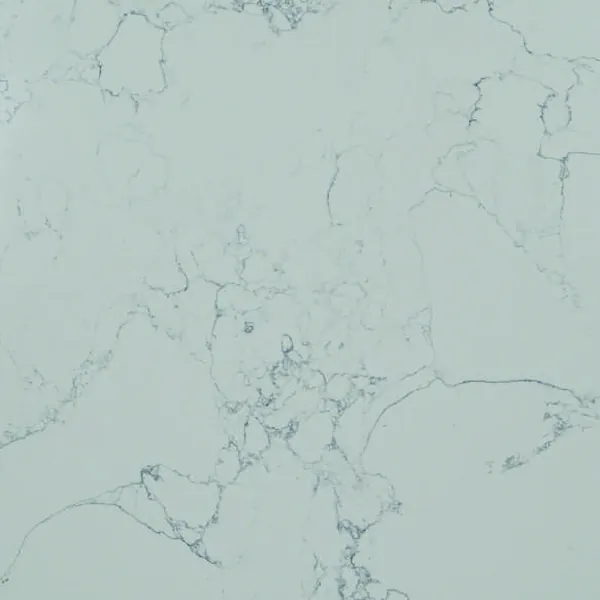 Statuary White QuartzFrom Rs 1,350 / sq ft
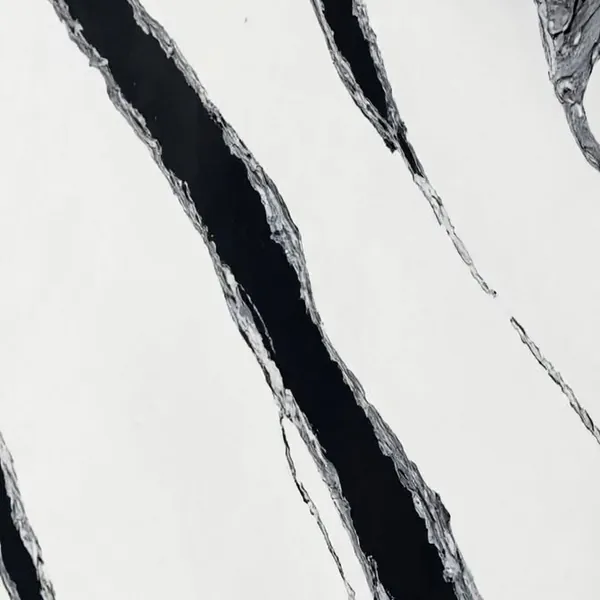 Panda White Bookmatch QuartzFrom Rs 1,350 / sq ft
 Galaxy Black GraniteFrom Rs 1,600 / sq ft
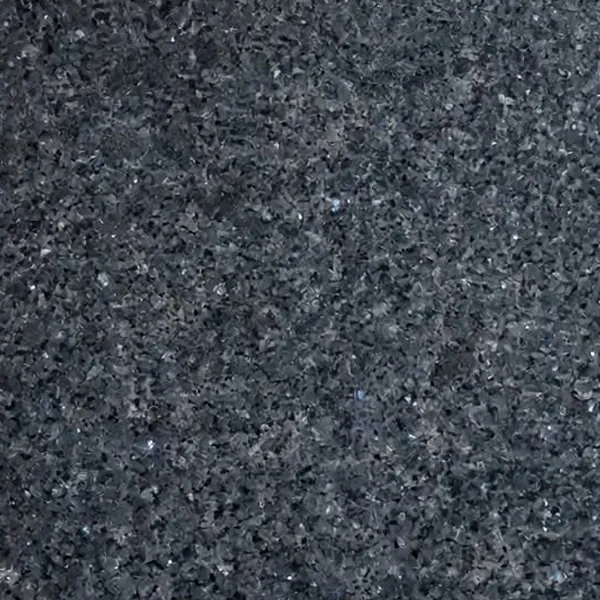 Blue Pearl GraniteFrom Rs 1,900 / sq ft
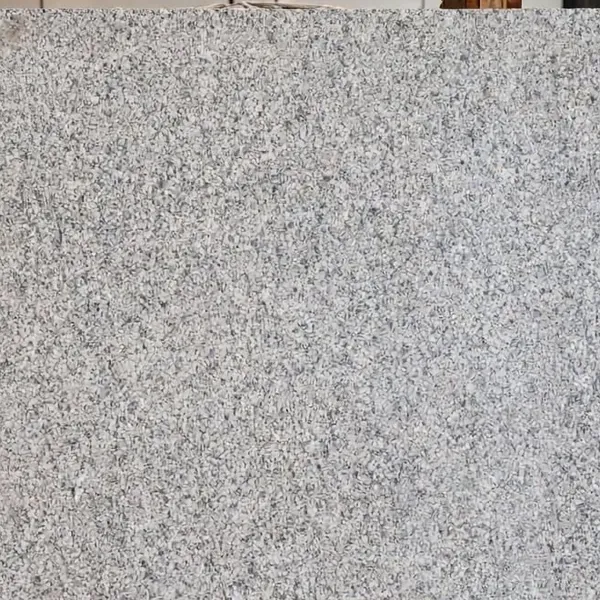 Kashmir White GraniteFrom Rs 750 / sq ft
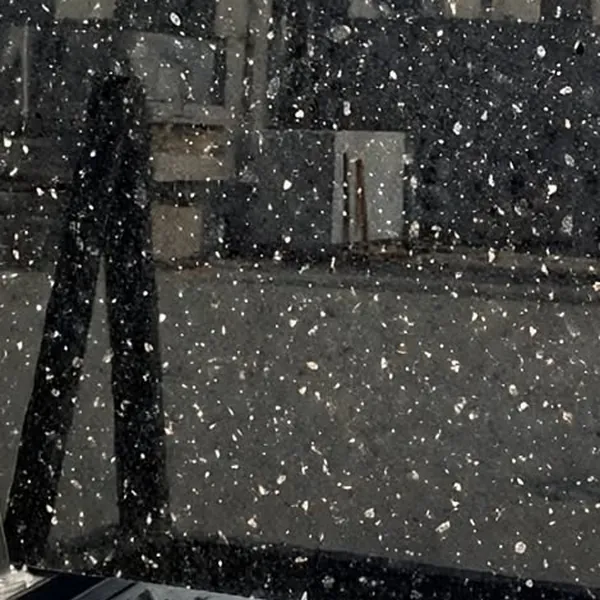 Black Pearl GraniteFrom Rs 1,100 / sq ft
Estimated rates per square foot for the slab only, as listed on each stone's page. Rates move with stock and import costs, so confirm today's price on WhatsApp.
Frequently asked questions
Is quartz better than granite for Pakistani kitchens?
Neither is better in every case. Granite handles heat from pots better; quartz resists stains better and needs no sealing. For heavy cooking near the hob, granite is the safer choice.
Can I put a hot pot on quartz?
Avoid it. Quartz contains resin that can scorch under direct high heat. Always use a trivet or hot pad.
What is the price of quartz in Pakistan?
Most quartz colours in our range are estimated at Rs 1,350 – 1,500 per sq ft for the slab. Confirm current rates before ordering.
Can quartz be used outdoors?
It is not recommended. Sunlight can yellow or fade the resin over time. Use granite for outdoor counters.
Does granite need sealing like marble?
Granite is slightly porous, light colours more than dark ones, so it should be sealed after installation and resealed from time to time. Quartz does not need sealing.
Can I use bleach to clean quartz or granite?
No. Bleach can harm quartz resin, and acids and harsh chemicals weaken granite sealer. A pH-neutral cleaner and warm water suit both.
Want to see these stones in person?
Visit our showroom at Bedian Road, DHA Phase 6, Lahore, ask for free samples, or send us your measurements for a quote.