Marble or Granite for Stairs: Choosing Safe, Long-Lasting Staircase Stone
Stairs take more wear than almost any other surface in the house, and they need to be safe. Here is how to pick a stone, finish and edge that look good and last.
A staircase is a feature you see every day, but it also carries heavy foot traffic in a narrow path, plus the risk of slips. That means the choice of stone and finish matters more here than on a bedroom floor. This guide takes you through the decision step by step: which stone to choose, which finish keeps the stairs safe, how to detail the nosing, and what to plan before the fixer arrives.
What you need to decide
- The stone: granite for hard wear, or marble for an elegant look.
- The finish on the treads, which controls grip.
- The nosing profile on the front edge of each step.
- Whether the risers will match or contrast with the treads.
- The total quantity, including landings and skirting.
Step 1: Understand how stairs wear
On a floor, foot traffic spreads out across the room. On stairs, every person puts their foot in roughly the same place on every tread. Over the years a "traffic path" forms in the centre of each step, where the surface loses its shine first. Add the grit and dust that come in from outside, which act like fine sandpaper under shoes, and you can see why the stone you pick for a staircase needs more thought.
In a Lahore house, the staircase is often the main route between the ground floor and the family rooms upstairs, used many times a day by everyone from children to grandparents. Plan for that level of use from the start.
Step 2: Consider granite, the hard-wearing choice
Granite is harder than marble, so it resists the "traffic path" wear that appears in the centre of each tread over the years. Dark and speckled granites also hide dust and shoe marks.
- Black Pearl: a classic for stairs, about Rs 1,100 – 1,300 per sq ft.
- Impala Black: economical and even, about Rs 400 – 450; flamed for outdoor steps.
- Tan Brown: warm brown that hides wear, about Rs 1,400 – 1,600.
Granite is a good fit for busy family homes, stairs that lead straight in from a porch or garage, and any staircase where low maintenance matters more than a soft, formal look. See the full granite collection for more colours.
Step 3: Consider marble, the elegant choice
Marble gives a softer, brighter, more formal staircase, especially in double-height lounges. It wears faster than granite but can be re-polished. Patterned and grey marbles hide marks better than pure white.
- Sunny Grey: warm grey that forgives wear, about Rs 300 – 400 per sq ft.
- Botticino: warm beige, about Rs 850 – 1,000.
- Ziarat White: premium white for showpiece stairs, about Rs 1,500 – 3,500.
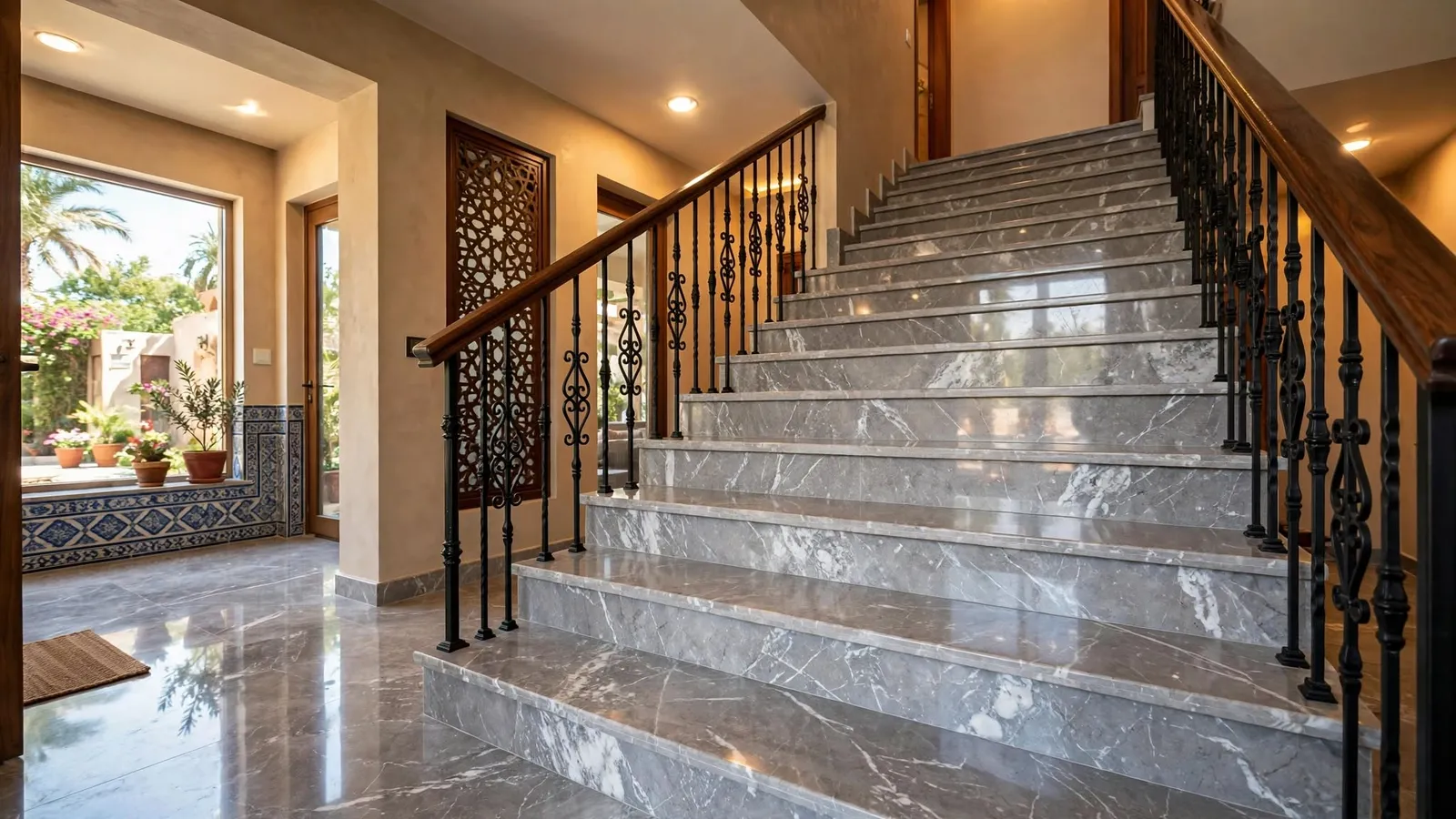
Remember that marble etches with acids. A spilled glass of juice or a cup of chai carried upstairs can leave a dull mark on polished marble if it is not wiped quickly, so treat marble stairs with the same care as a marble floor.
Granite or marble at a glance
| Factor | Granite | Marble |
|---|---|---|
| Resistance to wear | Higher; harder surface | Lower; wears faster in the traffic path |
| Look | Speckled, bold, hides dust | Softer, brighter, more formal |
| Acid spills | Generally does not etch | Etches; wipe spills quickly |
| Renewing the surface | Rarely needed | Can be re-polished |
| Best for | Busy family stairs, outdoor steps | Showpiece and double-height stairs |
Step 4: Choose a safe finish
A high-gloss polish looks beautiful but can be slippery, especially with socks or wet feet. Options to improve grip:
- Honed or leather finish on the treads (see our finishes guide).
- Anti-slip grooves cut near the front edge of each tread.
- Flamed granite for outdoor steps and porches, which stays grippy in rain.
Think about who uses the stairs. Elderly family members, small children and anyone walking down in socks or khussas on a winter evening all benefit from a surface with more grip. A common approach is to keep the risers polished for shine and give the treads a honed finish or grooves.
Step 5: Pick the nosing
The nosing is the front edge of the tread. A rounded half bullnose is the most common because it is comfortable and resists chipping. A thicker-looking double-layer nosing gives a more solid look. Avoid sharp square edges on stairs used by children or elderly family members. More on profiles in our edge guide.
The nosing also takes the knocks when furniture, suitcases or gas cylinders are carried up and down. A rounded edge spreads those knocks and is less likely to chip than a crisp corner.
Step 6: Plan the details
- Use one-piece treads across the width where possible, so there are no joints in the walking path.
- Match the skirting along the wall in the same stone.
- Pick landings from the same lot as the steps.
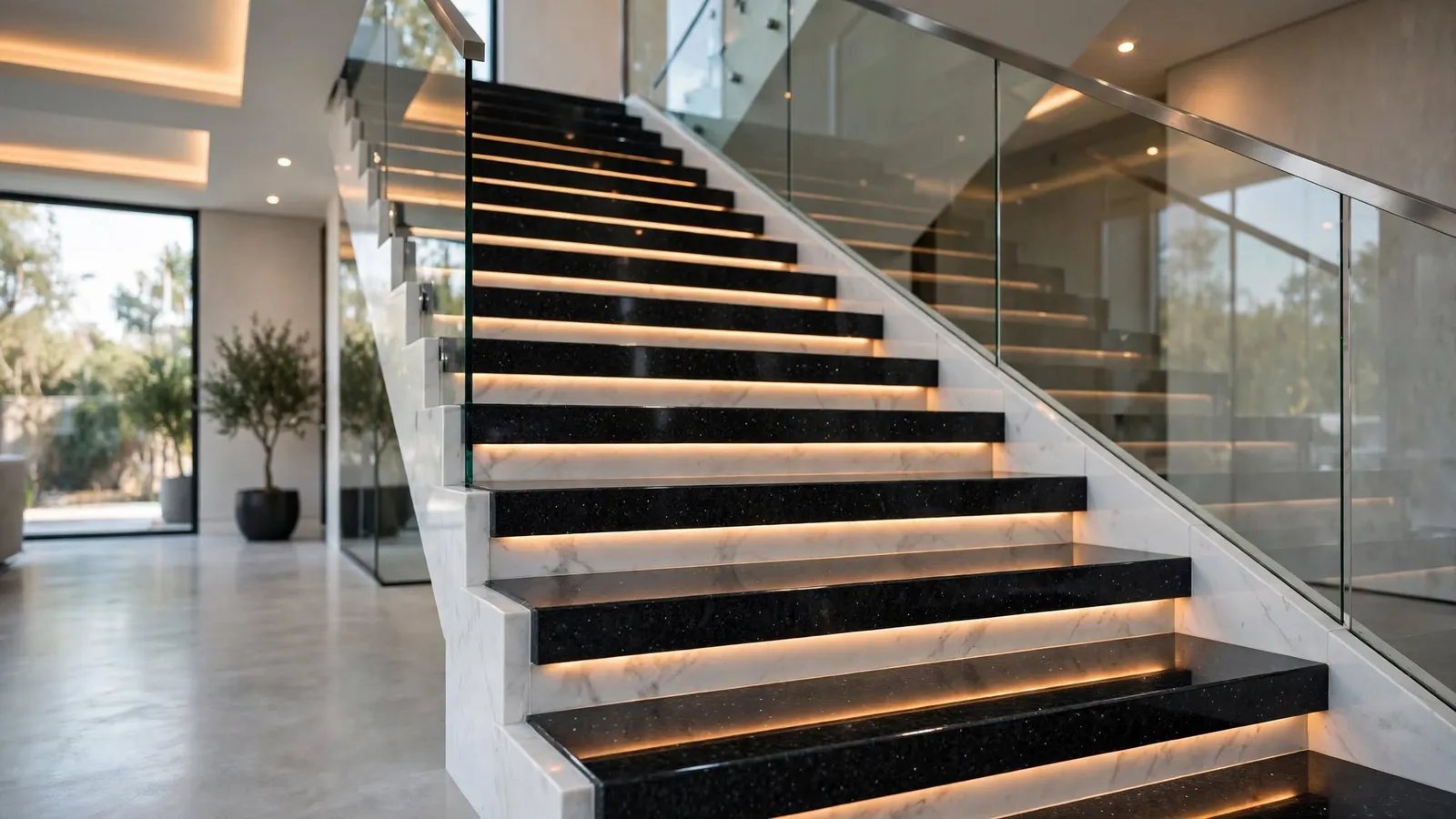
- Contrast risers with treads, for example black granite treads with white marble risers, to make each step easier to see.
Check the step dimensions before ordering. Treads and risers on older stairs are not always equal, so measure every step rather than one, and let the fabricator know about any that differ.
Think about lighting at the same time. A contrasting riser, a strip light under the nosing or a wall light at each landing all make the edge of each step easier to judge at night. This matters most on dark granite stairs, where a black tread on a black riser can be hard to read in low light.
Finally, agree the fixing sequence. Stairs are usually laid from the bottom up, with risers fixed before the tread above them so the tread sits neatly over the top of the riser.
Step 7: Measure the quantity
Add the tread and riser area of one step, multiply by the number of steps, then add landings and side skirting. Need quantities? Our square-feet guide has a full staircase example.
Step 8: Care for the finished stairs
- Sweep or vacuum regularly. Grit is what wears down the traffic path.
- Place a mat at the bottom and top of the stairs to catch dust from outside.
- Mop with a pH-neutral cleaner and a damp, well-wrung mop, never a wet one that leaves water standing on the treads.
- In hard-water areas, dry the treads after mopping to avoid white water spots.
- Wipe spills straight away, especially acids such as lemon, juice or vinegar on marble.
Common mistakes
- High-gloss treads on a family staircase, which become slippery with socks or wet feet.
- Pure white marble on a busy stair, where the traffic path and shoe marks show quickly.
- Joints in the walking path from using two short pieces instead of one-piece treads.
- Sharp square nosings that chip easily and are unkind to shins.
- Landings from a different lot that do not match the steps.
- Polished stone on outdoor steps, where flamed granite would stay grippy in rain.
- Forgetting the risers and skirting when calculating quantities.
Stones in this guide
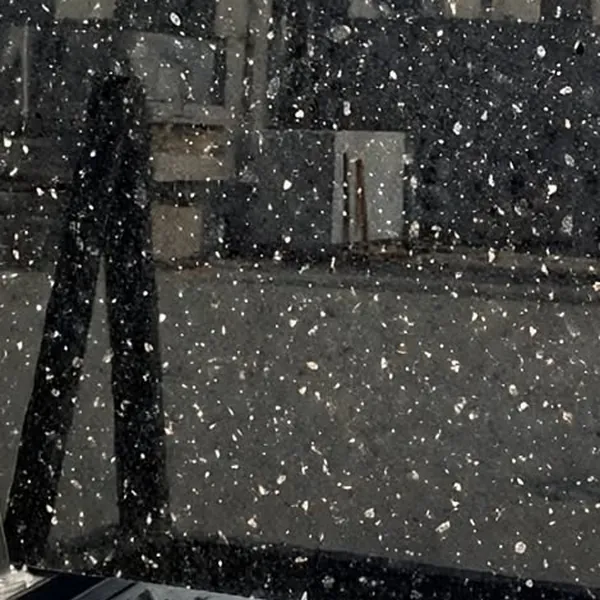 Black Pearl GraniteFrom Rs 1,100 / sq ft
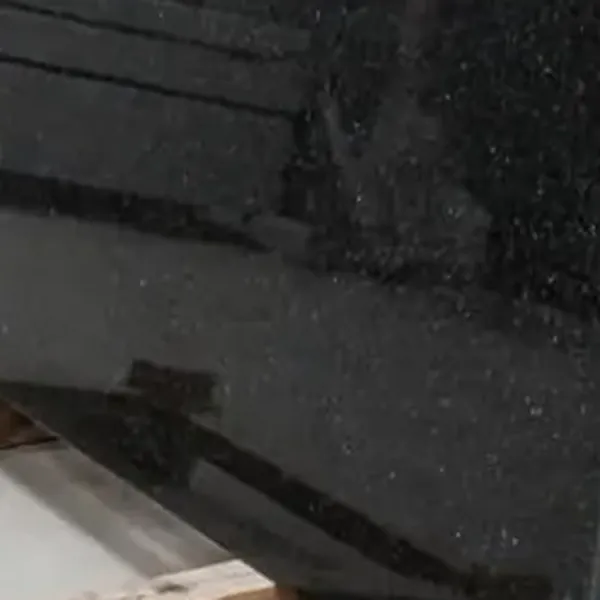 Impala Black GraniteFrom Rs 400 / sq ft
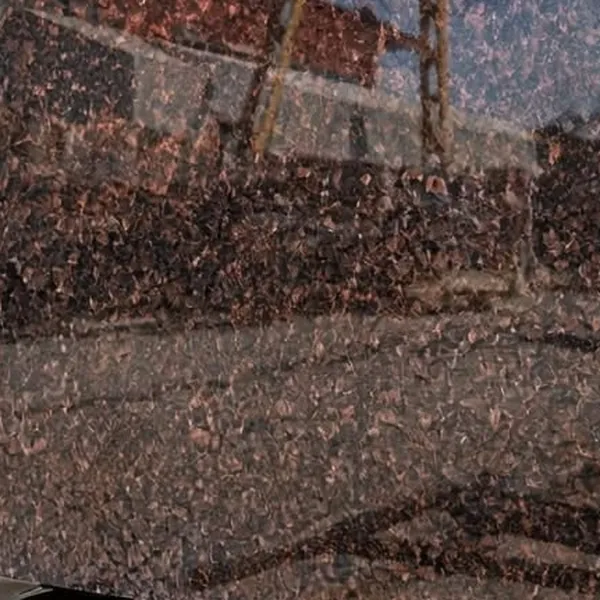 Tan Brown GraniteFrom Rs 1,400 / sq ft
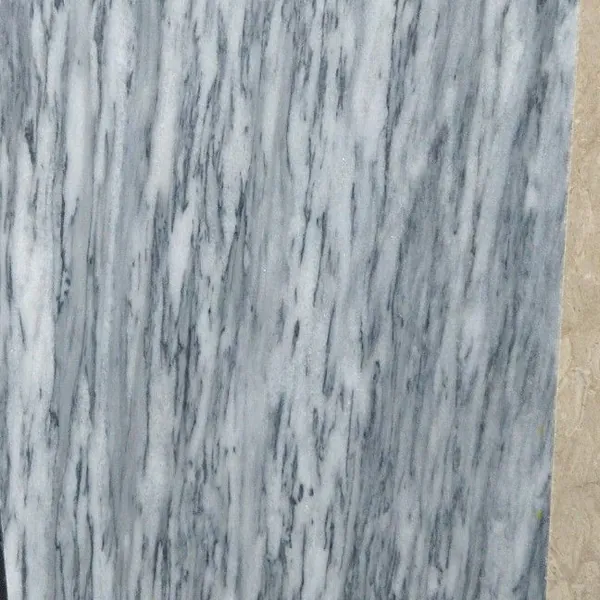 Sunny Grey MarbleFrom Rs 300 / sq ft
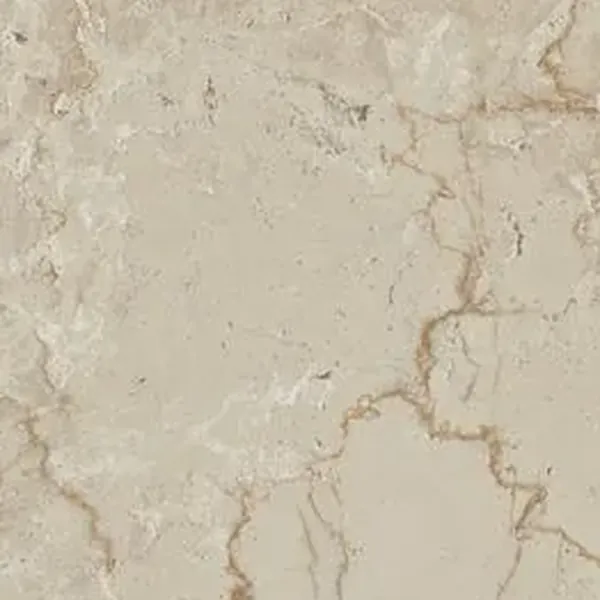 Botticino MarbleFrom Rs 850 / sq ft
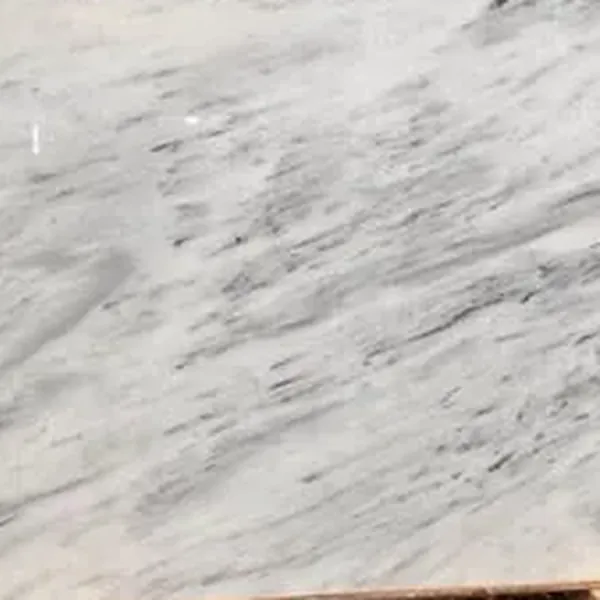 Ziarat White MarbleFrom Rs 1,500 / sq ft
Estimated rates per square foot for the slab only, as listed on each stone's page. Rates move with stock and import costs, so confirm today's price on WhatsApp.
Frequently asked questions
Is marble or granite better for stairs?
Granite is harder and resists wear and scratches better, so it lasts longer on busy stairs. Marble looks more elegant and can be re-polished, but wears faster.
How do I make marble stairs less slippery?
Use a honed or leather finish on the treads, or add anti-slip grooves near the front edge. Avoid a high gloss on stairs.
What is the best granite for stairs in Pakistan?
Black Pearl is a long-standing favourite. Impala Black is a budget option and, with a flamed finish, works well for outdoor steps.
What nosing is best for stair steps?
A half bullnose (rounded) nosing is the most common. It is comfortable and resists chipping better than a sharp square edge.
Which marble hides wear best on stairs?
Patterned and grey marbles such as Sunny Grey hide marks and the traffic path better than pure white marble.
Should stair risers match the treads?
They can, but contrasting them, for example black granite treads with white marble risers, makes each step easier to see and adds a design feature.
Want to see these stones in person?
Visit our showroom at Bedian Road, DHA Phase 6, Lahore, ask for free samples, or send us your measurements for a quote.